What Is Fascia Release?
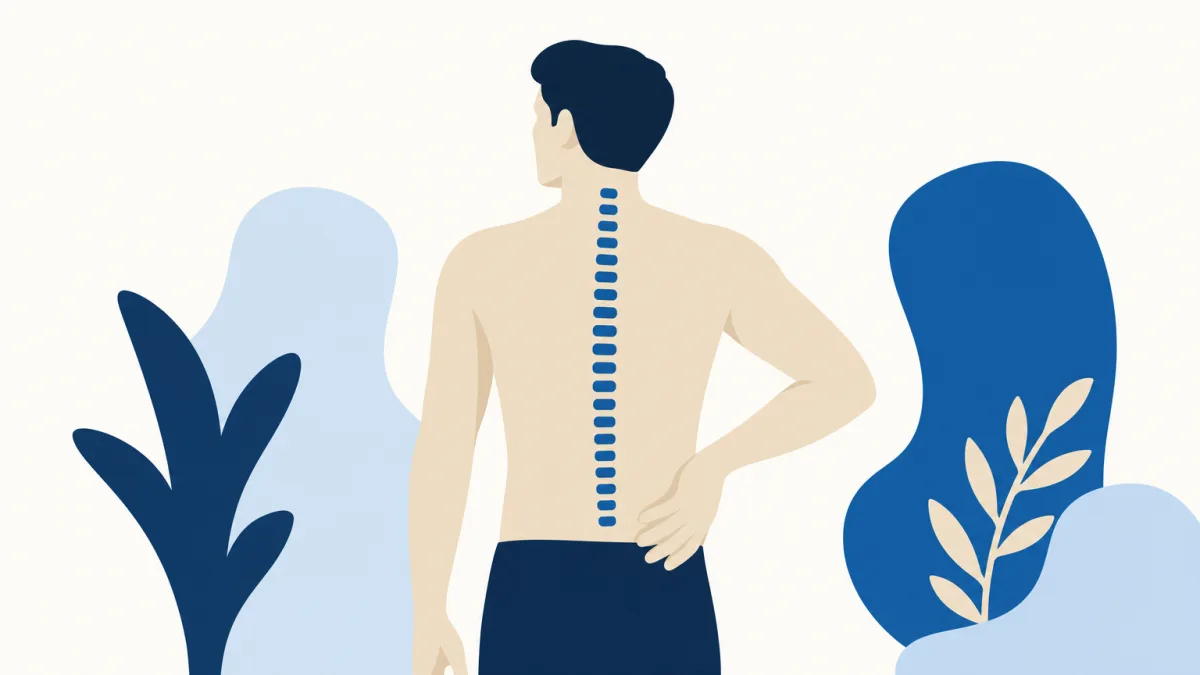
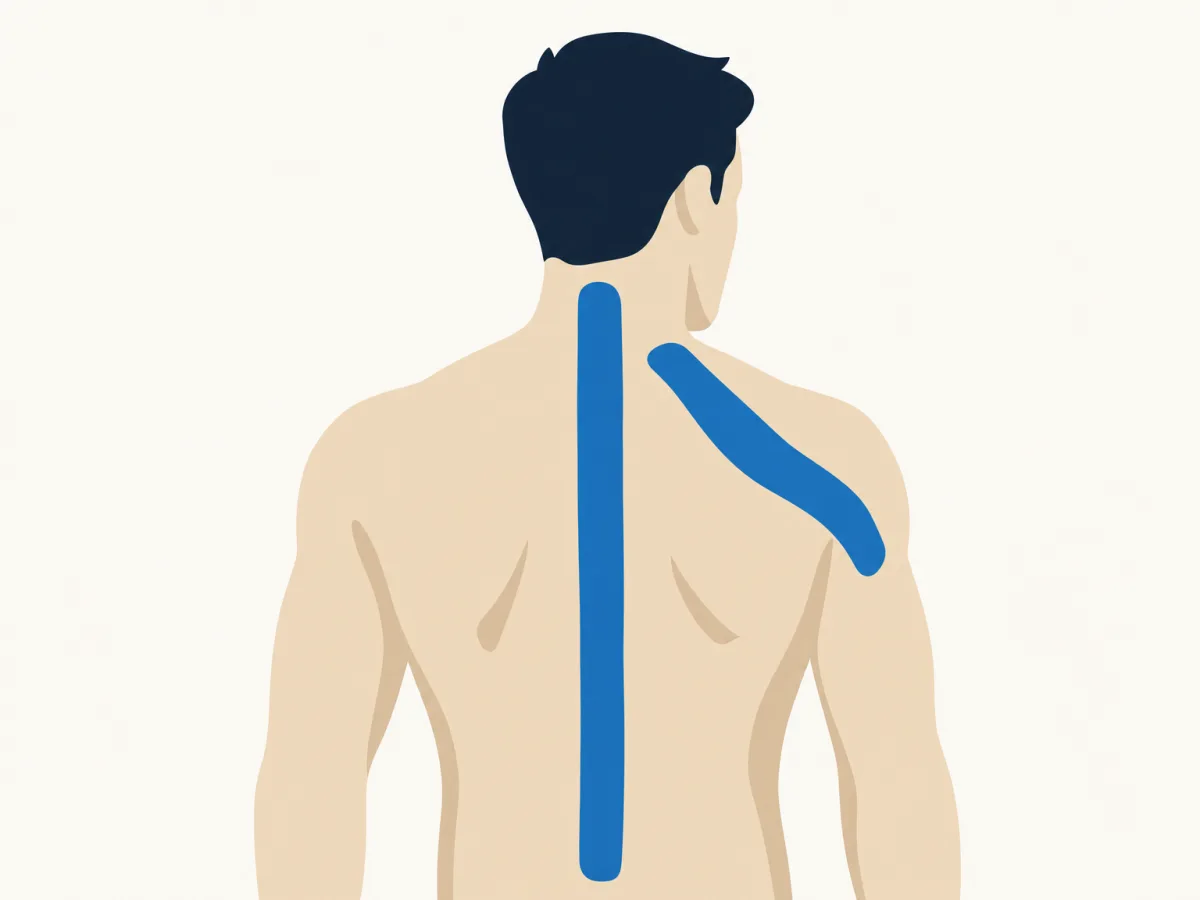
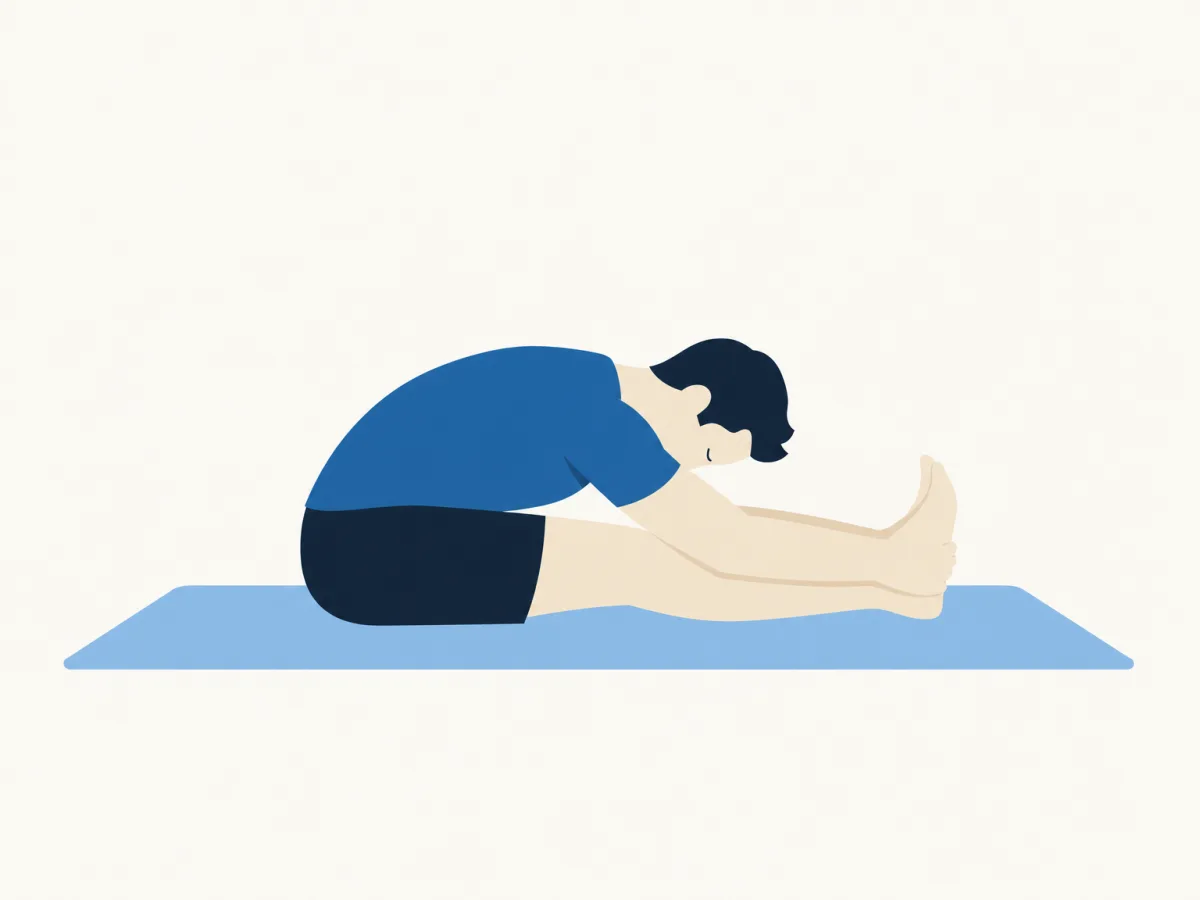
Fascia is the thin, continuous web of connective tissue that wraps every muscle, bone, and organ. When it becomes tight, dehydrated, or stuck together in adhesions, through injury, inactivity, or repetitive strain, it restricts movement and can pull the body out of balance, often causing pain far from the original site.
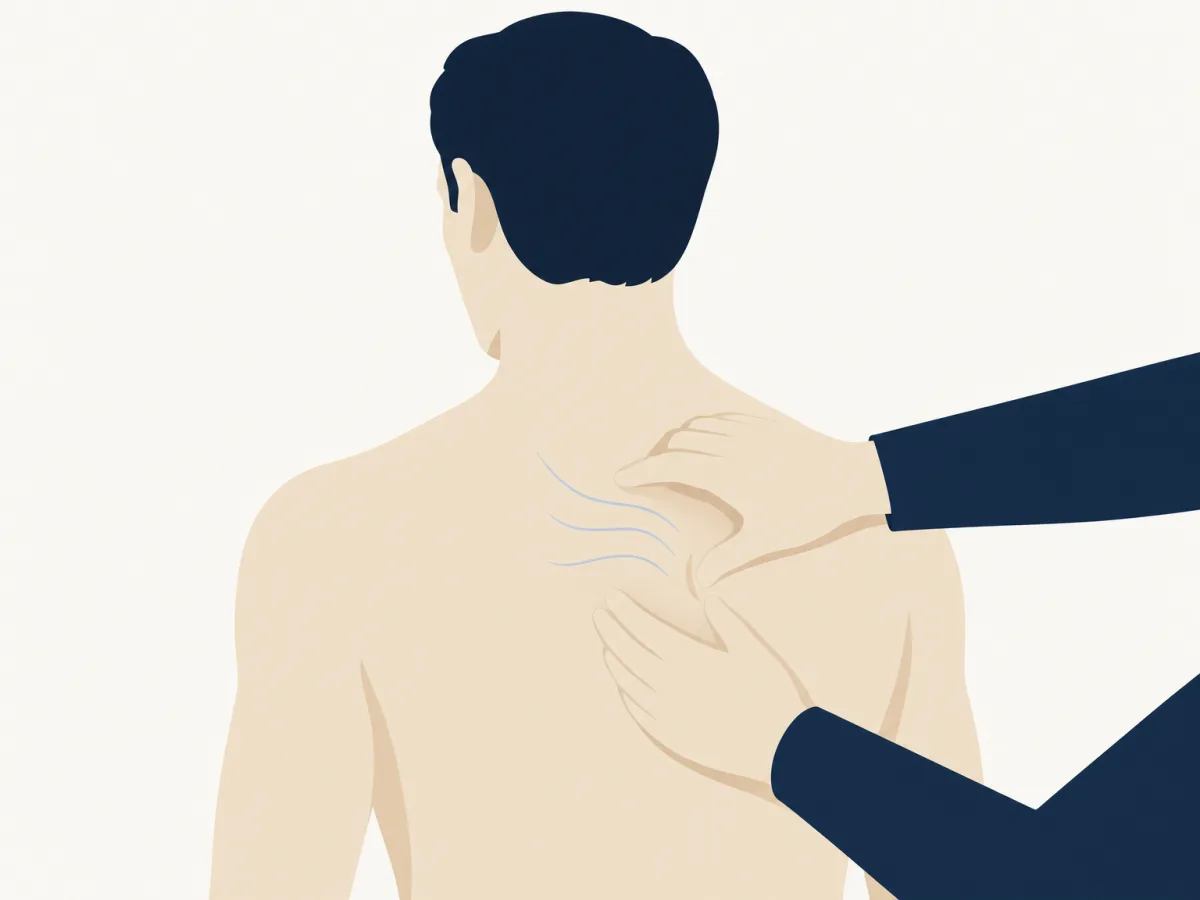
Fascia release uses sustained, hands-on pressure and movement to gently free these restrictions, restore the tissue’s natural glide, and let muscles return to their full length and function.
How It Works
- Breaks down adhesions that bind tissue and limit movement
- Restores elasticity and hydration to the fascia
- Relieves pain that refers from one area to another
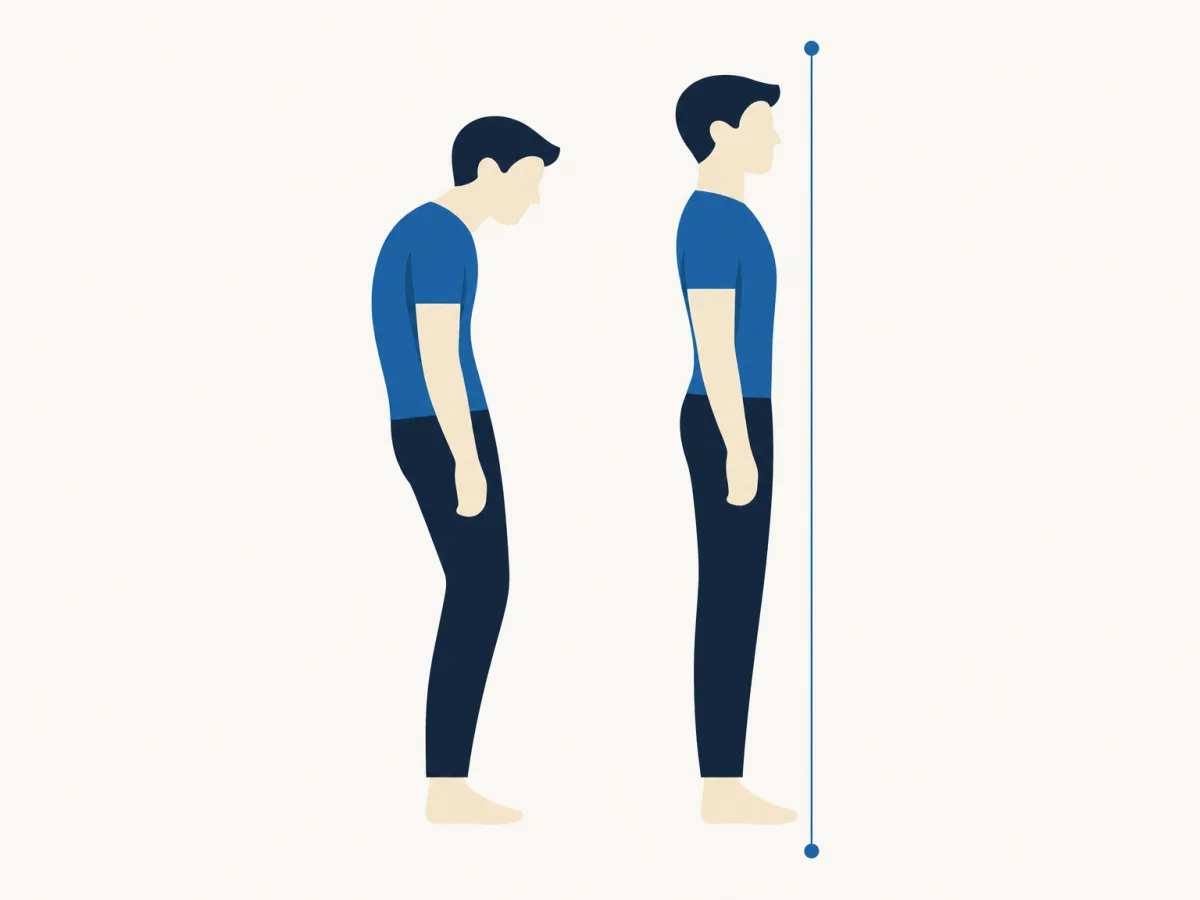
- Improves overall posture and structural balance
What to Expect in a Session
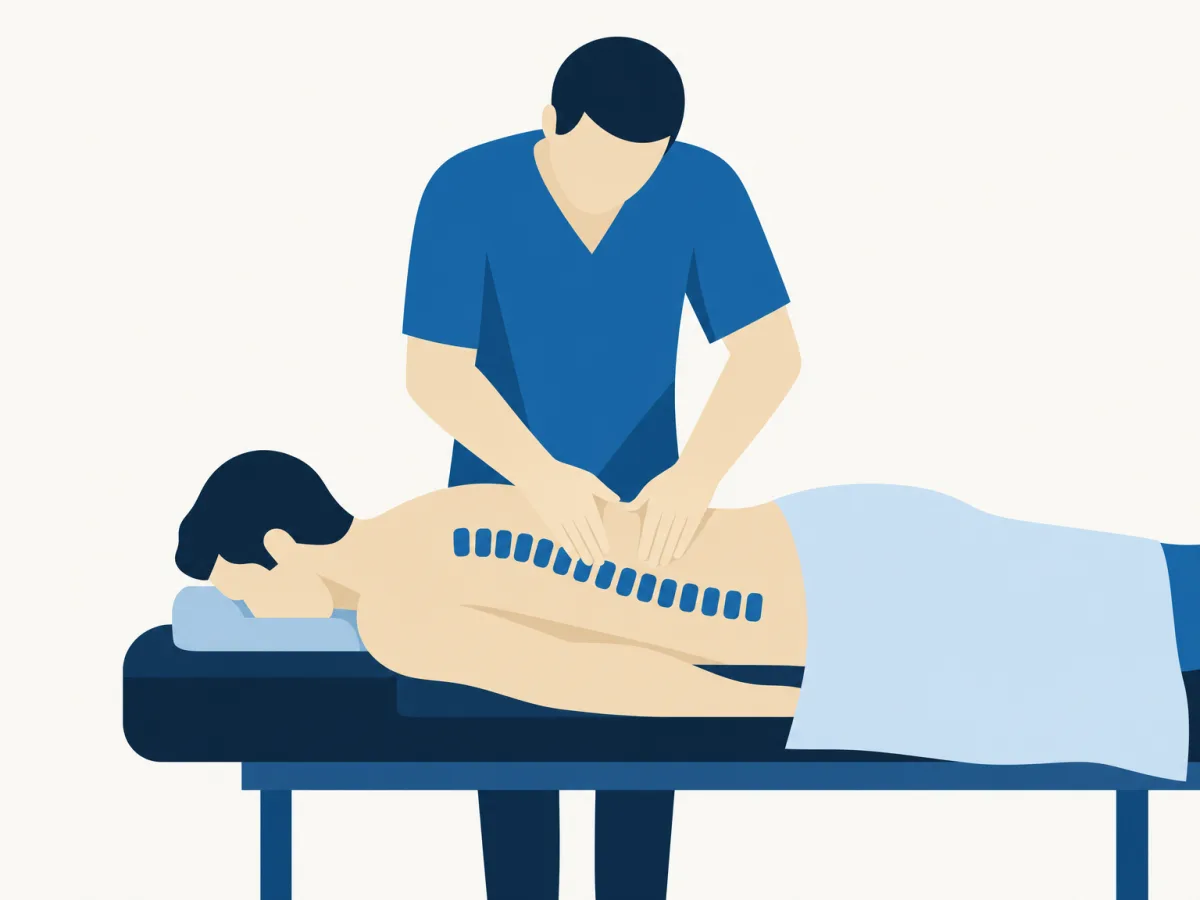
Dr. Duani locates the restricted, tender areas of fascia and applies slow, sustained pressure, sometimes asking you to move while he holds the tissue. You may feel a deep stretch or a gradual "melting" as the area releases. It is not a quick rub; the slow pace is what allows the tissue to change.
- Assessment: mapping where the fascia is restricted and what it affects
- Release: slow, sustained pressure to free the tissue
- Integration: often combined with adjustment and movement to hold the change
Conditions It Helps
- Chronic muscular tightness and stiffness
- Pain that moves or refers across the body
- Restricted mobility after injury or surgery
- Postural imbalances and asymmetry
- Recurring tension that returns after massage
Why Choose Dr. Victor Duani
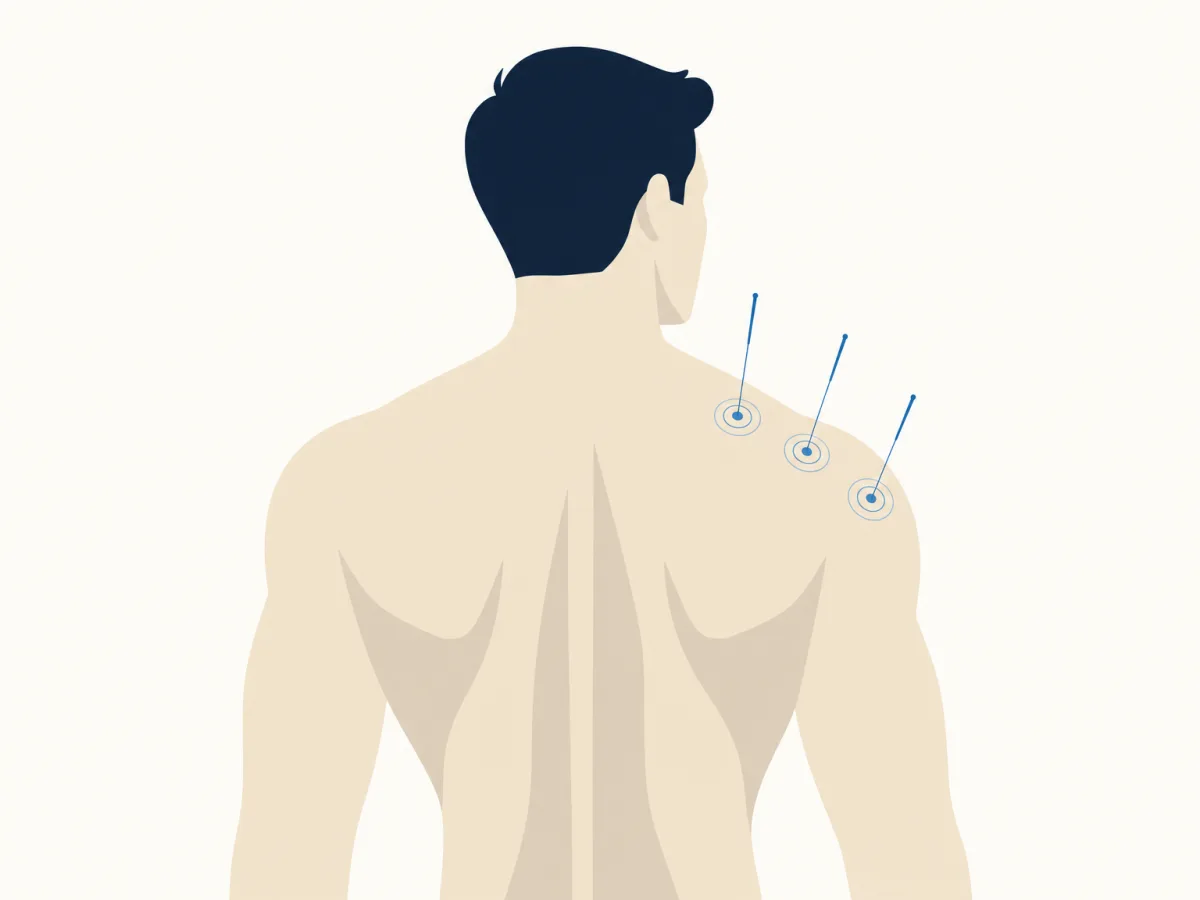
Dr. Duani treats the body as a connected whole, using fascia release to address restrictions that local treatment alone can miss. With over 20 years of clinical experience and clinics in Tel Aviv and Tuval (Karmiel), it is combined with adjustment, needling, and movement for a result that lasts.