
Understanding Chronic Back Pain: Causes, Treatment, and Prevention
Chronic back pain affects millions of people worldwide, but lasting relief starts with understanding the root cause. Learn how chiropractic treatment and rehabilitation can help you reclaim a pain-free life.
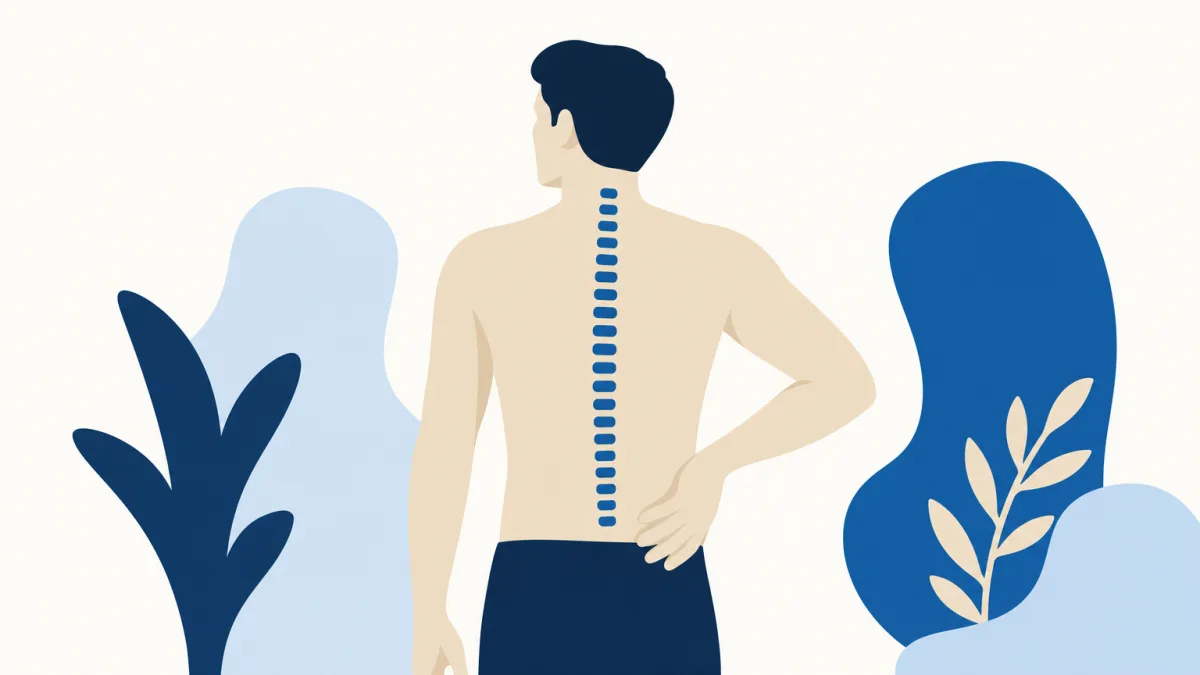
Chronic back pain is one of the most common health complaints in the modern world. It affects people of all ages and backgrounds, limiting daily activities, disrupting sleep, and diminishing quality of life. Yet despite its prevalence, many sufferers cycle through temporary fixes without ever addressing the true source of their discomfort. Understanding the root causes of back pain is the first and most important step toward achieving lasting back pain relief.
What Causes Chronic Back Pain?
Back pain that persists for more than twelve weeks is considered chronic, and its origins are often more complex than a single event or injury. Several common conditions contribute to long-term spinal discomfort:
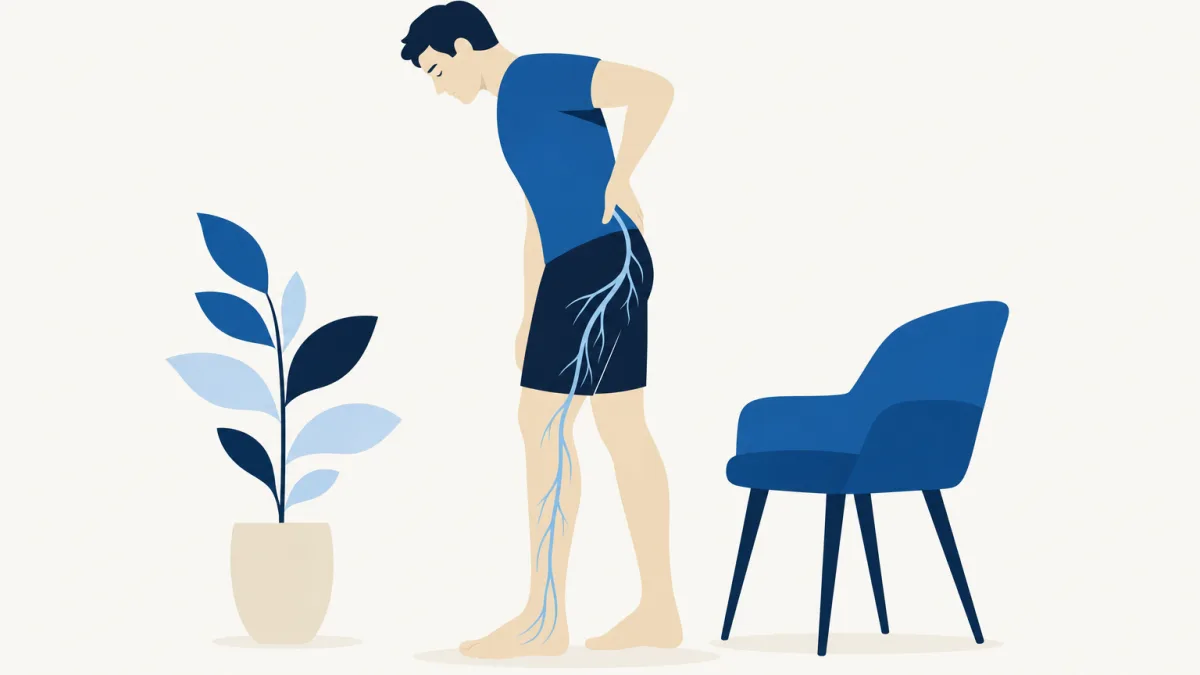
- Disc herniation: When the soft inner material of a spinal disc pushes through the outer ring, it can compress nearby nerves and cause significant pain, numbness, or weakness. Disc herniation is one of the leading causes of radiating leg pain (sciatica).
- Degenerative disc disease: Over time, the intervertebral discs naturally lose hydration and elasticity. This gradual wear can reduce the cushioning between vertebrae, leading to stiffness, inflammation, and chronic discomfort.
- Muscle imbalances: When certain muscle groups are stronger or tighter than their opposing groups, the spine is pulled out of its natural alignment. This places uneven stress on joints, discs, and ligaments.
- Poor posture habits: Hours spent hunched over a desk or looking down at a phone create cumulative strain on the cervical and lumbar spine. Over months and years, poor posture reshapes spinal curvature and accelerates degeneration.
- Sedentary lifestyle: Prolonged sitting weakens the core stabilizer muscles that support the spine. Without adequate muscular support, the vertebral column bears loads it was never designed to handle alone.
Symptom Management vs. Root-Cause Treatment
When back pain strikes, the instinct is to reach for painkillers and rest until the episode passes. While short-term pain management has its place, relying solely on medication masks the symptoms without correcting the underlying dysfunction. Anti-inflammatory drugs reduce swelling temporarily, but once they wear off, the structural problem that triggered the pain remains unchanged.
Extended bed rest can actually make things worse. Muscles weaken, joints stiffen, and the body loses the very conditioning it needs to protect the spine. This is why so many people find themselves trapped in a frustrating cycle of flare-ups and temporary relief.
Rehabilitative chiropractic takes a fundamentally different approach. Rather than silencing the pain signal, it asks why the signal is firing in the first place. By identifying misalignments, movement restrictions, and muscular weaknesses, a chiropractor can design a treatment plan that addresses the root cause and helps the body heal itself.
How Chiropractic Treatment Helps
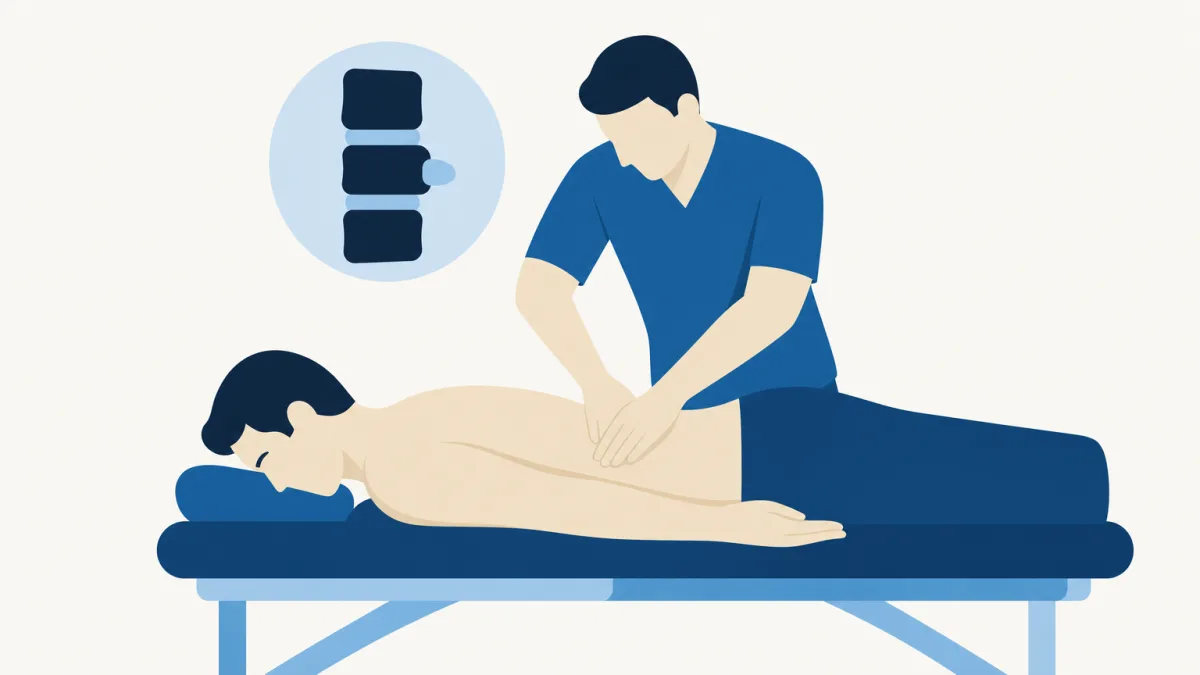
Chiropractic treatment centers on restoring proper spinal alignment and function. Through precise spinal adjustments, a chiropractor corrects vertebral misalignments, known as subluxations, that interfere with nerve communication, restrict mobility, and generate pain.
A well-executed spinal adjustment can reduce nerve compression, decrease inflammation around irritated joints, and restore range of motion that may have been lost over months or years of dysfunction. Patients often notice improvements in pain levels, flexibility, and overall well-being within the first few sessions.
Dr. Victor Duani combines classic chiropractic techniques with a unique yoga-based rehabilitation method. This integrative approach goes beyond the adjustment table: patients learn targeted stretches and strengthening exercises drawn from yogic practice that reinforce the corrections made during treatment. The result is not just symptom relief but a stronger, more resilient spine that is better equipped to resist future injury.
This combination of hands-on chiropractic care and active rehabilitation is what sets rehabilitative chiropractic apart from conventional pain management. It empowers patients to take an active role in their recovery rather than passively waiting for pain to subside.
When Should You See a Chiropractor?
Many people wait far too long before seeking professional help for their back pain. If you recognize any of the following signs, it may be time to schedule a consultation:
- Persistent pain that lasts more than two weeks without improvement
- Pain that radiates from the back into the buttocks, legs, or feet
- Numbness, tingling, or weakness in the extremities
- Pain that developed after an injury, fall, or accident
- Morning stiffness that takes a long time to ease
- Increasing reliance on painkillers to get through the day
Early intervention is key. The longer a spinal problem goes unaddressed, the more compensatory patterns the body develops, and the harder it becomes to correct. A thorough chiropractic evaluation can identify the source of your pain and outline a clear path to recovery.
Prevention Tips for a Healthy Spine
Whether you are currently dealing with chronic back pain or want to prevent it from developing, these habits will help keep your spine healthy and strong:
- Maintain good posture: Keep your ears aligned over your shoulders and your shoulders over your hips, whether sitting or standing.
- Stay physically active: Regular movement keeps spinal joints lubricated, muscles conditioned, and discs nourished.
- Strengthen your core: The abdominal and lower back muscles act as a natural brace for the spine. Targeted exercises can dramatically reduce injury risk.
- Set up an ergonomic workspace: Adjust your monitor to eye level, keep your feet flat on the floor, and use a chair that supports the natural curve of your lower back.
- Stretch regularly: Tight hamstrings, hip flexors, and chest muscles all contribute to spinal misalignment. A daily stretching routine counteracts the effects of prolonged sitting.
- Do not ignore early symptoms: Minor stiffness and occasional aches are your body's early warning system. Addressing them promptly can prevent them from becoming chronic problems.
Take the First Step Toward Relief
Chronic back pain does not have to define your life. With the right diagnosis, a targeted treatment plan, and a commitment to rehabilitation, lasting relief is within reach. Dr. Victor Duani and his team specialize in helping patients move beyond pain management and toward genuine recovery. If you are ready to understand the source of your pain and start healing, we invite you to reach out and schedule your first consultation today.