
Sports Injury Recovery: A Chiropractor's Approach
From weekend warriors to competitive athletes, proper sports injury rehabilitation is essential for a full return to performance. Learn how chiropractic care accelerates recovery and helps prevent re-injury.
Whether you're a competitive athlete, a weekend warrior, or someone who simply enjoys staying active, injuries are an unwelcome but common part of the journey. How you approach recovery can mean the difference between returning stronger or dealing with chronic setbacks. Chiropractic care has become a cornerstone of modern sports medicine, offering athletes a drug-free, hands-on path back to peak performance.
At our clinic, we see athletes of every level—from IDF soldiers maintaining operational fitness to marathon runners and recreational tennis players. What they share is a desire to heal properly, return to their sport, and stay injury-free going forward. That's exactly what a structured chiropractic sports rehabilitation program is designed to do.
Common Sports Injuries We Treat
Sports injuries range from acute traumatic events to chronic overuse conditions. Understanding what you're dealing with is the first step toward effective treatment. Here are the injuries we most frequently help athletes recover from:
- Sprains and strains — Ligament and muscle tears of varying severity, common in virtually every sport from basketball to hiking.
- ACL and meniscus injuries — Non-surgical rehabilitation for knee ligament and cartilage damage, focusing on stability, strength, and proprioception.
- Rotator cuff issues — Shoulder impingement, partial tears, and tendinopathy affecting swimmers, overhead athletes, and gym-goers.
- Runner's knee (patellofemoral syndrome) — Anterior knee pain caused by tracking dysfunction, muscle imbalances, or overtraining.
- Tennis elbow and golfer's elbow — Lateral and medial epicondylitis from repetitive gripping and wrist movements.
- Lower back injuries — Disc herniations, facet joint dysfunction, and muscle spasms common in impact sports, martial arts, and weightlifting.
Each of these conditions responds well to a targeted chiropractic rehabilitation approach, especially when treatment begins early and follows a structured progression.
The Role of Spinal Health in Athletic Performance
Many athletes overlook one of the most critical factors in their performance: spinal alignment. Your spine is the central highway of your nervous system. When vertebrae are misaligned—even subtly—nerve signals between your brain and muscles can be disrupted, reducing reaction time, limiting range of motion, and diminishing power output.
Think of it this way: a Formula 1 car with a slightly bent chassis can still drive, but it will never reach its true potential. Spinal misalignment works the same way in the human body. Restricted thoracic mobility limits a swimmer's stroke. A locked lumbar segment robs a runner of hip extension. A stiff cervical spine can even impair balance and coordination.
Chiropractic adjustments restore proper joint mechanics, remove nerve interference, and allow the body to move as it was designed to—efficiently and powerfully. This is why professional sports teams around the world employ chiropractors as part of their core medical staff.
Our Sports Rehab Toolkit
Effective sports rehabilitation requires more than a single technique. We use a combination of evidence-based modalities tailored to each athlete's injury, sport, and recovery timeline:
Chiropractic Adjustments
Precise spinal and extremity adjustments restore joint mobility, reduce pain, and re-establish proper biomechanics. For athletes, this means better movement quality from the very first session.
Dry Needling & IMS
Intramuscular stimulation (IMS) and dry needling target myofascial trigger points—those stubborn knots deep in muscle tissue that restrict movement and cause referred pain. By releasing these trigger points, we restore muscle length, reduce tension, and improve blood flow to damaged tissues. This technique is especially effective for chronic hamstring tightness, calf strains, and shoulder tension.
Kinesio Taping
Strategic taping provides proprioceptive feedback, supports injured structures, and reduces swelling—all without limiting movement. Kinesio tape is a valuable bridge between treatment sessions, helping athletes stay active during the recovery process.
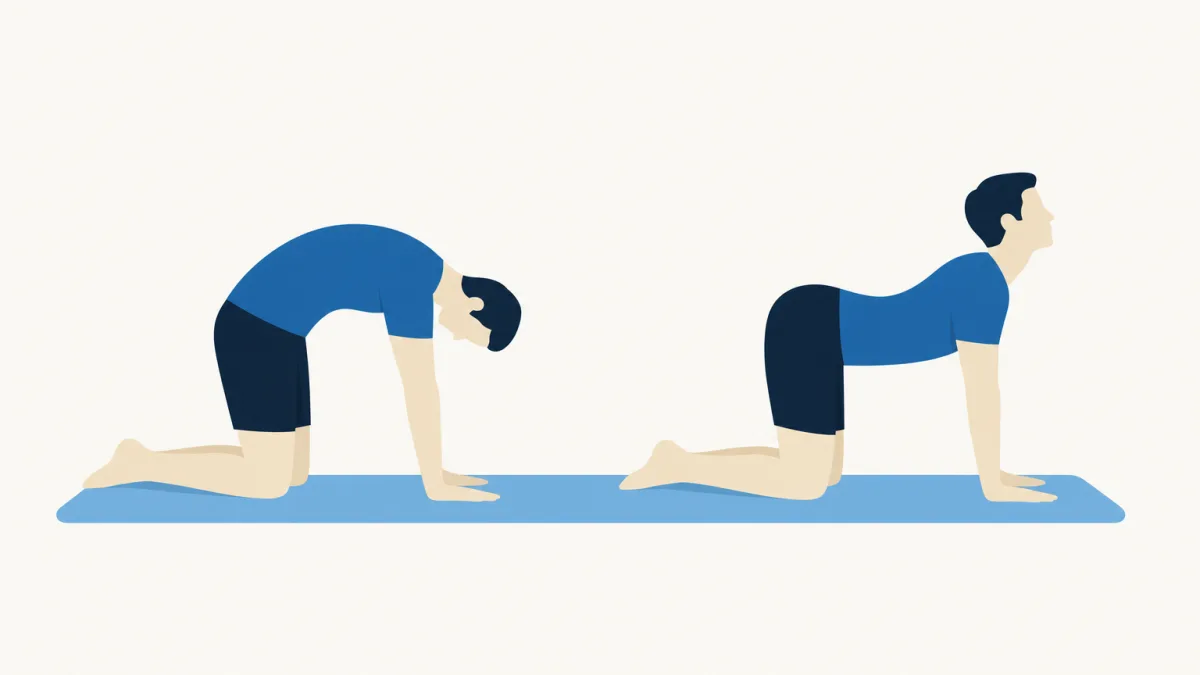
Yoga-Based Rehabilitation
We integrate targeted yoga-based movement protocols to restore flexibility, build stability, and improve body awareness. These controlled movements address the mobility deficits and compensatory patterns that often linger after injury, serving as both rehabilitation and long-term prevention.
The Return-to-Sport Protocol
Returning to sport too quickly is one of the most common mistakes athletes make. A premature return almost guarantees re-injury. Our return-to-sport protocol follows a structured, progressive approach:
- Progressive loading — Gradually increasing resistance and intensity to rebuild tissue strength without overwhelming healing structures.
- Sport-specific movement retraining — Reintroducing the exact movement patterns your sport demands, from cutting and pivoting to throwing and sprinting.
- Functional testing — Objective benchmarks that confirm you're truly ready, not just feeling better.
- Maintenance care — Ongoing periodic treatments to maintain alignment, address emerging tension, and prevent the compensatory patterns that lead to re-injury.
Patience is not a popular word among athletes, but it is the most important one in recovery. Proper progression protects the investment you've made in your rehabilitation and ensures you return to your sport with confidence.
Why Athletes Choose Chiropractic
Athletes are increasingly turning to chiropractic care as a primary component of their health strategy—and for good reason:
- Drug-free pain management — Resolve the cause of pain rather than masking symptoms with medication.
- Faster recovery times — Restoring proper mechanics early accelerates the body's natural healing process.
- Enhanced performance — Improved spinal alignment and joint mobility translate directly to better athletic output.
- Injury prevention — Regular maintenance care identifies and addresses imbalances before they become injuries.
Dr. Victor Duani brings a unique perspective to sports rehabilitation. With hands-on experience in the IDF Medical Corps working with air crew personnel—where physical readiness and rapid recovery are operational necessities—he understands the demands placed on active bodies. This military sports medicine background, combined with advanced training in dry needling, kinesio taping, and yoga-based rehabilitation, provides athletes with a comprehensive, real-world approach to recovery.
Invest in Your Recovery
Your body is your most important piece of equipment. Whether you're recovering from an acute injury or dealing with a nagging chronic issue, investing in proper rehabilitation pays dividends for years to come. Don't settle for partial recovery or hope that pain will resolve on its own. A structured, expert-guided rehabilitation program will get you back to doing what you love—stronger, more resilient, and better equipped to stay healthy.
If you're dealing with a sports injury or want to optimize your athletic performance, we're here to help. Reach out to schedule a consultation and take the first step toward a full, lasting recovery.