
Neck Pain and Tension Headaches: The Hidden Cervical Spine Connection
If your headaches come with a stiff neck (or your neck pain comes with headaches), the two may be connected, though headaches have other causes too. Here is how the cervical spine can contribute to both, and what an examination looks for.
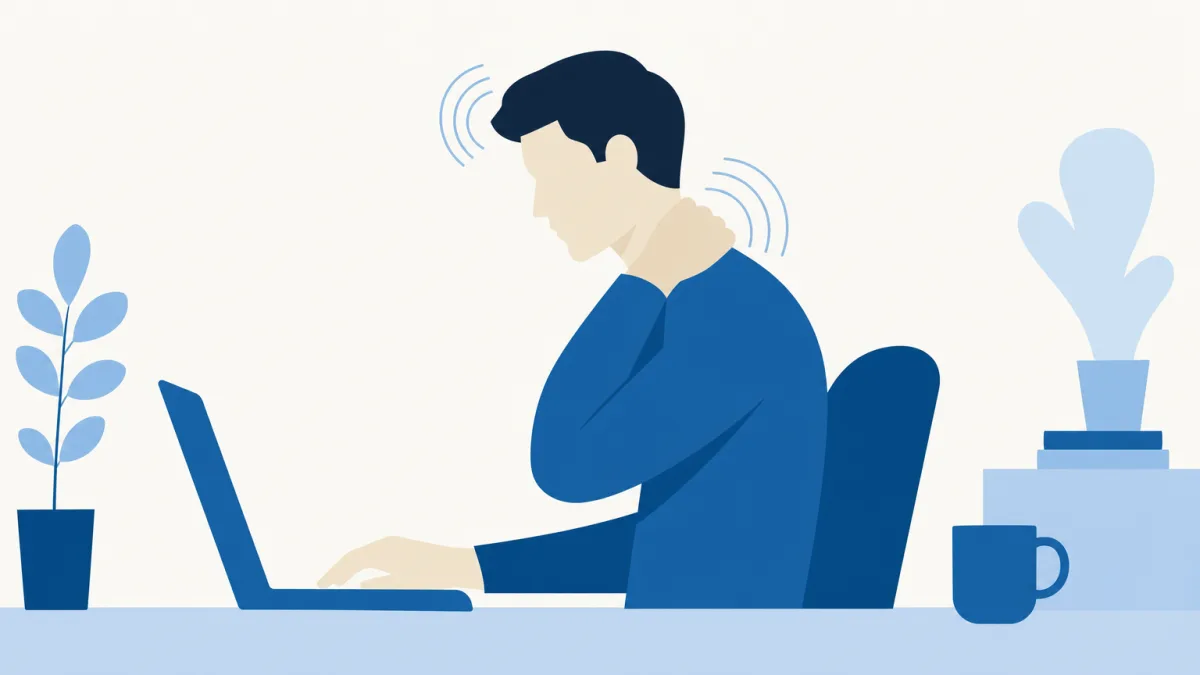
There is a pattern most people never quite connect: a tight, tense neck by mid-afternoon, then a band-like headache by evening. Or the reverse: a low-grade headache that lifts the moment you stretch your neck. They feel like two separate problems, and sometimes they are linked through the same source: dysfunction in the cervical spine. A headache may be related to the neck, but there are other causes too. In an examination we check whether it suits chiropractic treatment or needs a referral.
Understanding the connection is the first step to actually solving it, instead of cycling endlessly between painkillers, massages, and short-term fixes.
Why the Neck Drives So Many Headaches
The top of the cervical spine (particularly the joints between the skull and the first three neck vertebrae) is densely innervated and tightly linked to the nerves that supply the back of the head, the temples, and even the area behind the eyes. When these upper cervical joints are restricted, inflamed, or carrying chronic muscular tension, they can refer pain into the head in a pattern that closely resembles a tension headache.
In medical terminology, this kind of headache is called cervicogenic: a headache that originates from the neck. The pain is often:
- One-sided, or starting on one side and spreading
- Felt at the base of the skull, the temples, or behind the eye
- Triggered or worsened by neck movement, prolonged sitting, or stress
- Accompanied by neck stiffness or tenderness in the upper trapezius muscles
- Resistant to typical headache medications. They may dull the pain temporarily but never fully resolve it
Some headaches that feel like "tension headaches" have a cervicogenic component, and in those cases treating the neck, not just the head, may help. Telling the types apart requires a proper examination.
What Causes Cervical Spine Dysfunction in the First Place?
Modern life is hard on the cervical spine. The most common drivers include:
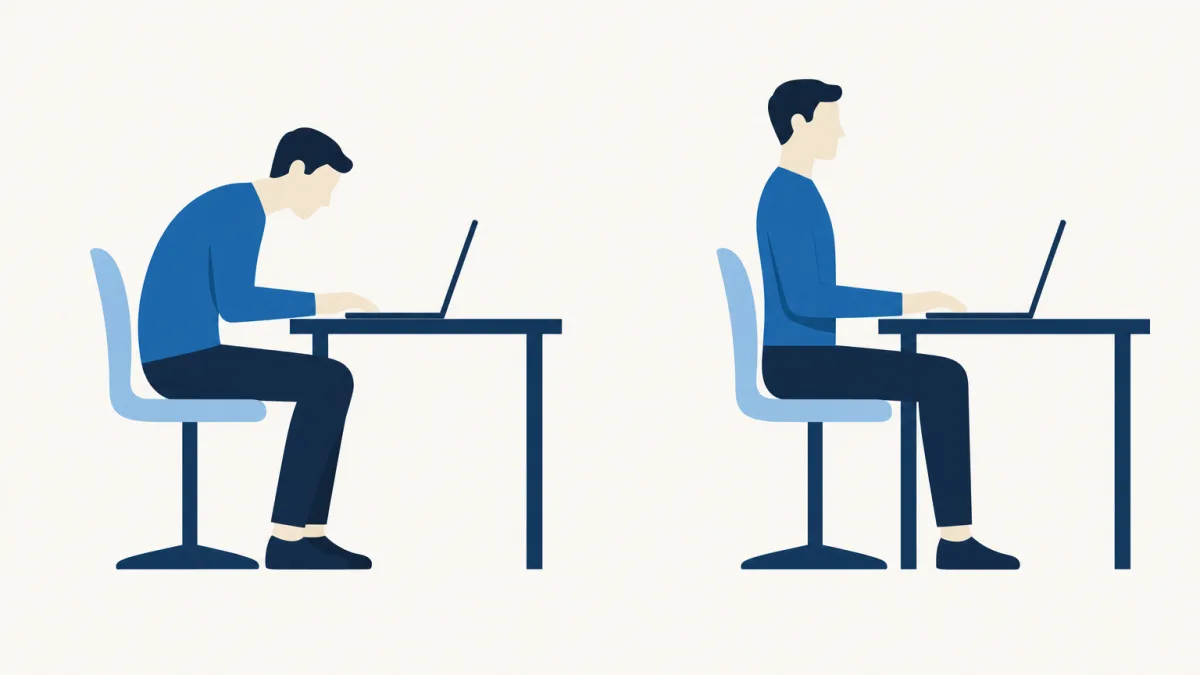
- Forward head posture: Hours of looking down at a phone, laptop, or steering wheel. The further the head sits forward, the more work the neck muscles have to do to hold it up.
- Prolonged static positions: The cervical joints are designed to move; long hours in a fixed posture cause them to lose mobility.
- Stress and jaw clenching: Chronic mental stress drives constant low-level tension in the upper trapezius, levator scapulae, and suboccipital muscles.
- Sleep position: Stomach sleeping in particular forces the neck into a sustained rotation that irritates the cervical joints night after night.
- Old trauma: Whiplash, falls, or sports injuries can leave residual joint restriction that quietly causes problems for years.
- Eye strain and uncorrected vision: Squinting and head-tilting to read screens at the wrong distance.
Why Painkillers Stop Working
When the actual source of the headache is the neck, painkillers behave predictably: they help a little at first, then less, then not at all. The underlying joint restriction and muscular tension are still there, generating pain signals, and the body adapts to the medication while the structural problem keeps escalating.
Many patients spend years in this cycle before someone examines their neck.
How Chiropractic Care Resolves the Cycle
Treating cervicogenic headaches and chronic neck pain together, when an examination shows they are linked, typically involves:
1. Identifying the specific restricted segments
Not every neck headache comes from the same joint. A careful examination identifies exactly which cervical levels are restricted and which muscles are most involved. The treatment is then targeted to those segments, not a generic neck adjustment.
2. Restoring joint motion
Gentle, precise chiropractic adjustments or mobilization restore proper motion to the restricted cervical joints. For patients who prefer not to receive high-velocity adjustments, instrument-assisted techniques and mobilization deliver similar results with no popping sound.
3. Releasing the suboccipital and upper trapezius muscles
The deep muscles at the base of the skull and along the upper shoulders carry an enormous amount of chronic tension. Soft tissue work, dry needling, and targeted stretching release this tension and reduce the inputs that drive headaches.
4. Correcting forward head posture
Treatment that does not address the cause will not last. Postural retraining (specific exercises to strengthen the deep neck flexors, mobilize the upper thoracic spine, and re-train head position) is essential. Without it, the problem returns the moment treatment ends.
5. Ergonomic and lifestyle adjustments
Monitor height, phone use habits, sleep position, and stress management all matter. Specific, practical changes are part of the treatment plan, not a vague "be careful with posture" reminder.
How Quickly Do Headaches Improve?
It varies from person to person. When the headache is genuinely neck-related, some patients notice a change within the first few sessions, while others need longer. Lasting improvement usually depends on combining treatment with consistent home exercises. After the examination you will get a realistic estimate for your case, not a guarantee.
If you have a different headache type (true migraine, cluster headache, or a headache driven by a non-musculoskeletal cause), a responsible chiropractor will recognize it and refer to a neurologist. Not every headache comes from the neck, and an honest examination will tell you which kind you have.
Warning Signs That Mean See a Doctor First
- A sudden, severe headache unlike any you have had before ("thunderclap headache")
- Headache with fever, stiff neck, and rash
- Headache following a head injury, especially with confusion or vomiting
- Headache with new neurological symptoms: vision changes, weakness, slurred speech
- Progressive worsening headache over days or weeks
These are signs that need medical evaluation, not chiropractic care.
About Dr. Victor Duani
Dr. Victor Duani is a rehabilitative chiropractor with over 20 years of clinical experience and clinics in Tel Aviv and Tuval. He graduated from the Durban University of Technology (DUT) in South Africa, worked at Assaf Harofeh Medical Center, and managed rehabilitative chiropractic at Sheba Medical Center, Tel Hashomer. A significant portion of his caseload is patients with chronic neck pain and recurring headaches who have not found lasting relief elsewhere, and his approach combines precise cervical care with the postural and rehabilitation work that prevents the problem from returning.
Trapped in a Headache Cycle? Get It Examined
If you have been managing recurring neck pain and tension headaches with painkillers for months or years, the most useful next step is a proper cervical examination. Book a consultation with Dr. Duani at the Tel Aviv or Tuval clinic, or call first to describe the pattern of your symptoms. The examination will show whether your headaches suit chiropractic treatment or whether a referral to a doctor is the right next step.