

How Yoga and Chiropractic Work Together for Spinal Health
Yoga and chiropractic care share a deep focus on spinal alignment and the body's natural healing ability. Discover how combining both creates a powerful approach to lasting back health.
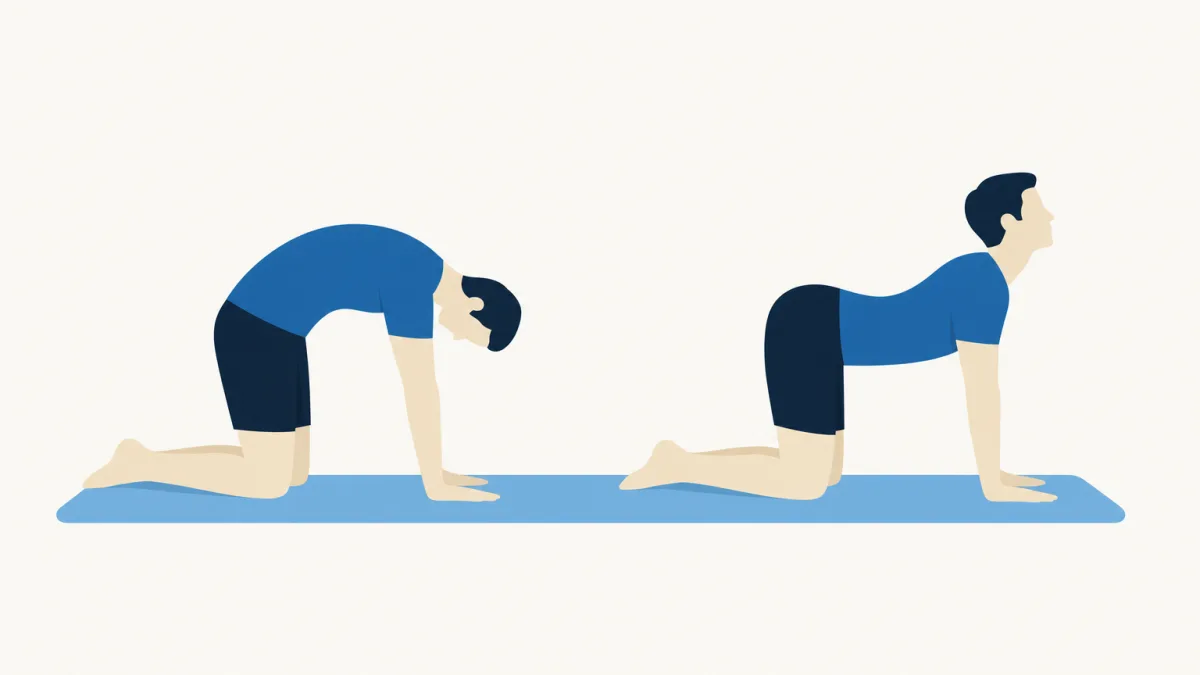
Yoga and chiropractic care are two of the most powerful approaches to spinal health: one rooted in thousands of years of Eastern tradition, the other in modern biomechanical science. On the surface, they may seem like separate disciplines. But in practice, they share a remarkable philosophical foundation and complement each other in ways that produce results neither can fully achieve alone.
For Dr. Victor Duani, this connection is deeply personal. In 2004, while practicing yoga in Mumbai, India, he experienced firsthand how movement, breath, and spinal alignment converge to transform the body. That experience became the catalyst for his journey into chiropractic medicine, a path that would eventually lead him to build a practice grounded in the integration of both disciplines. Today, at his clinics in Tel Aviv and Tuval, he draws on that foundation daily.
The Shared Philosophy
At their core, both yoga and chiropractic care are built on the same fundamental belief: the body possesses an innate ability to heal itself when given the right conditions. In chiropractic, this is expressed through the principle that a properly aligned spine allows the nervous system to function without interference, enabling the body to regulate and repair itself. In yoga, the concept is strikingly similar: when prana (life energy) flows freely through a balanced and open body, health follows naturally.
Both disciplines also emphasize the critical importance of the spine as the central axis of physical health. Yoga practitioners speak of the spine as the seat of energy; chiropractors understand it as the structural highway of the nervous system. And both recognize that the mind and body are not separate entities but a single integrated system. What affects one will inevitably affect the other.
What Yoga Brings to Spinal Health
A consistent yoga practice contributes to spinal health in several important ways that no other single activity can replicate:
- Flexibility and range of motion: Yoga systematically stretches the muscles, tendons, and fascia surrounding the spine, gradually restoring and maintaining the mobility that daily life tends to erode.
- Core strength and stability: Many yoga postures engage the deep stabilizing muscles of the trunk, including the transverse abdominis and multifidus, which act as a natural brace for the lumbar spine.
- Body awareness (proprioception): Through mindful movement and sustained holds, yoga trains the nervous system to recognize and correct poor postural habits before they cause damage.
- Stress reduction: Chronic stress elevates cortisol, which drives systemic inflammation and amplifies pain. Yoga has been shown in clinical research to measurably reduce cortisol levels, calming the inflammatory cycle that worsens many spinal conditions.
- Breath work and pain management: Pranayama (yogic breathing techniques) activates the parasympathetic nervous system, helping the body shift from a state of tension to one of recovery. This can significantly improve a patient's ability to manage chronic pain.
What Chiropractic Adds
While yoga is exceptionally effective at building the muscular and neurological environment that supports spinal health, there are structural problems it simply cannot address on its own:
- Precise structural corrections: When a vertebra has shifted out of alignment (a subluxation), no amount of stretching will move it back into place. A chiropractic adjustment delivers a specific, controlled force to restore proper vertebral positioning.
- Nerve decompression: Misaligned spinal segments can compress or irritate the nerves that exit between them, causing pain, numbness, or dysfunction in distant parts of the body. Adjustments relieve this pressure directly at the source.
- Restoring locked joints: Certain spinal joints lose their normal range of motion due to adhesions, inflammation, or chronic postural stress. Chiropractic mobilization techniques restore movement to these fixated segments in ways that passive stretching cannot.
- Diagnostic assessment: A chiropractor provides the clinical evaluation needed to identify exactly which spinal levels are involved, whether disc pathology is present, and what type of intervention is appropriate, ensuring that exercise efforts are safe and correctly targeted.
The Synergy: Better Together
The real power emerges when both approaches are used in combination. Chiropractic adjustments hold longer and more effectively when the surrounding musculature is flexible, strong, and balanced, exactly what a regular yoga practice provides. Conversely, yoga gains come more easily and safely when structural blockages have been cleared first. A patient whose thoracic spine is locked and misaligned will struggle to achieve a proper backbend no matter how many classes they attend. Remove the restriction with an adjustment, and the same pose becomes accessible.
This combined approach also reduces injury risk significantly. Yoga practiced on a structurally compromised spine can occasionally reinforce compensatory patterns or place excessive stress on hypermobile segments. Chiropractic assessment identifies these vulnerabilities before they become problems. At the same time, the flexibility and core stability that yoga develops protect the spine from the micro-traumas of daily life that would otherwise undo the chiropractor's work between sessions.
Yoga Poses That Support Spinal Health
Not all yoga poses are created equal when it comes to spinal care. Here are five that Dr. Duani frequently recommends as part of a rehabilitation or maintenance program:
- Cat-Cow (Marjaryasana-Bitilasana): This gentle alternation between spinal flexion and extension mobilizes every segment of the spine, promotes fluid exchange in the discs, and is one of the safest warm-up movements for any back condition.
- Child's Pose (Balasana): A resting posture that gently decompresses the lower back, stretches the spinal extensors, and encourages diaphragmatic breathing. Particularly helpful for patients with lumbar tension.
- Downward Dog (Adho Mukha Svanasana): This inverted position creates traction along the entire spine, decompresses the vertebrae, and stretches the hamstrings and calves, tight posterior chain muscles that commonly contribute to lower back pain.
- Pigeon Pose (Eka Pada Rajakapotasana): A deep hip opener that releases tension in the piriformis and gluteal muscles, providing relief for the sacroiliac joint and reducing sciatic nerve irritation.
- Bridge Pose (Setu Bandhasana): Activates the glutes, hamstrings, and deep core muscles while gently extending the thoracic spine. Builds the posterior chain strength that is essential for protecting the lower back.
Dr. Duani's Integrative Approach
At his clinics, Dr. Duani does not simply adjust the spine and send patients home. He develops individualized treatment protocols that include specific yoga-based exercises prescribed according to each patient's condition, pain level, and stage of recovery. A patient recovering from a disc herniation will receive a very different set of movements than someone managing chronic postural strain or an athlete returning from a sports injury.
This integrative methodology reflects a simple truth: the spine does not exist in isolation. It is supported, moved, and protected by an entire system of muscles, ligaments, and neural pathways. Treating the structure without addressing the muscular environment, or strengthening muscles without correcting the underlying structure, will always produce limited results.
True spinal health comes from treating the whole system. By combining the precision of chiropractic care with the holistic strengthening and awareness that yoga provides, patients achieve not just pain relief but genuine, lasting resilience. If you are interested in an approach that goes beyond symptom management, schedule a consultation with Dr. Duani to explore how an integrated plan can work for your body.