
Posture & Spinal Health in the Digital Age
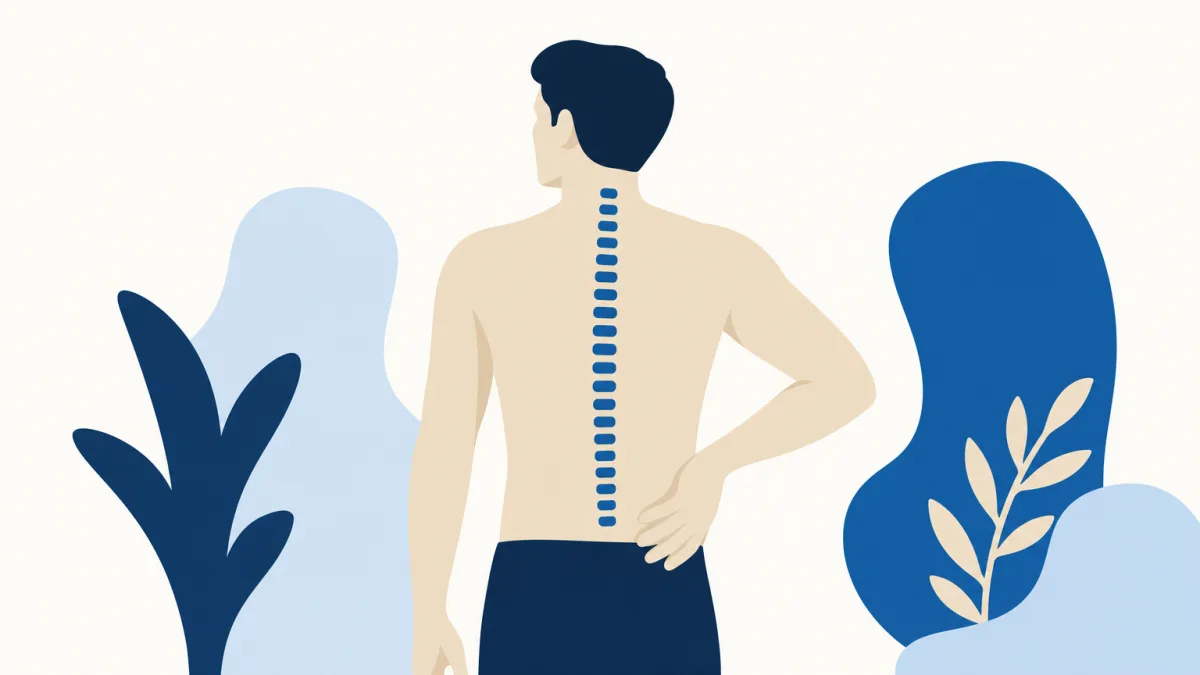
Modern technology is reshaping our spines, and not for the better. Learn how tech neck develops, why poor posture affects far more than your back, and what you can do to correct it.
We live in a world designed around screens. From the moment we wake up scrolling through our phones to the hours we spend hunched over laptops at work, modern technology is quietly reshaping the way we hold our bodies. The result is an epidemic of posture-related problems that chiropractors see every single day: neck pain, chronic headaches, rounded shoulders, and spinal misalignment that can take years to fully correct.
The good news? Understanding how poor posture develops is the first step toward reversing it. Whether you work from an office, from home, or spend your commute staring at a phone, this guide will help you protect your spine and reclaim your health.
What Is Tech Neck?
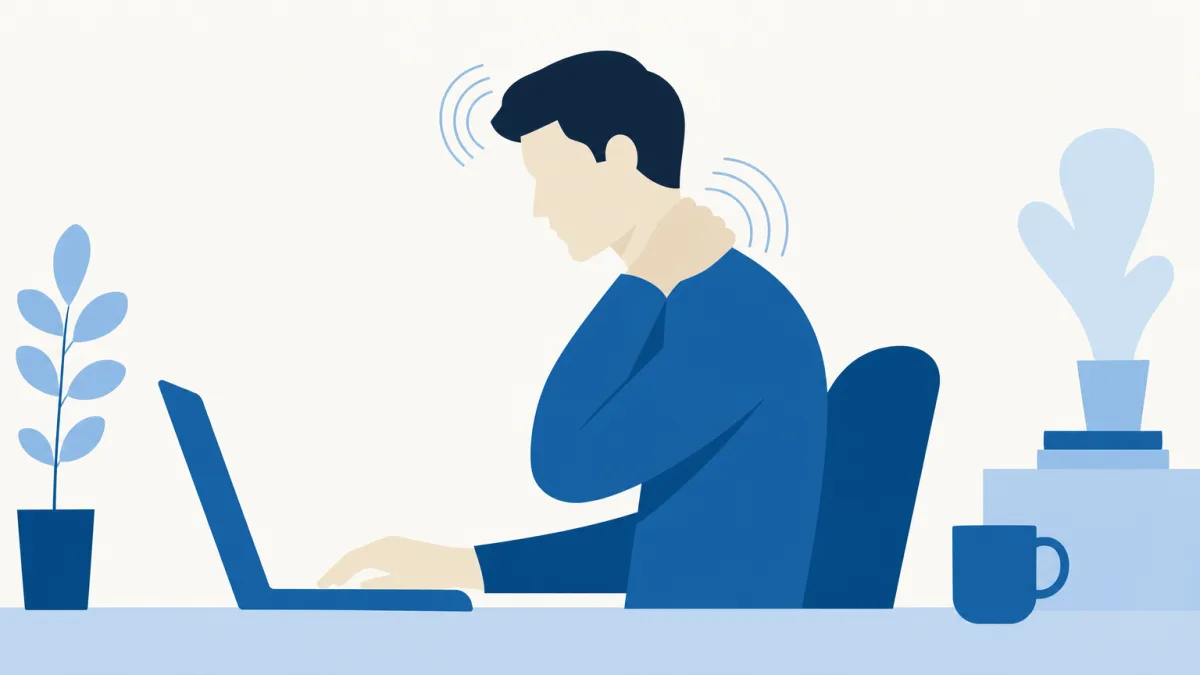
Tech neck (sometimes called "text neck") refers to the forward head posture that develops from looking down at screens for extended periods. In a neutral position, your head weighs roughly 4.5–5.5 kg. But for every 2.5 cm your head shifts forward from its natural alignment, the effective load on your cervical spine increases by approximately 4.5 kg. At just 5 cm forward, your neck muscles are working as if they are supporting 14 kg or more.
Over time, this constant strain causes the muscles at the back of the neck to tighten and shorten, while the muscles at the front weaken. The natural lordotic curve of the cervical spine begins to flatten or even reverse, leading to accelerated wear on the spinal discs and joints. What starts as occasional stiffness can gradually become a chronic structural problem.
The Hidden Costs of Poor Posture
Many people think of poor posture as a cosmetic issue, something that just doesn't look great. In reality, the consequences run much deeper:
- Chronic headaches and migraines: Tension in the suboccipital muscles at the base of the skull is one of the most common triggers for recurring headaches.
- Neck and shoulder pain: Overworked upper trapezius and levator scapulae muscles lead to persistent pain and stiffness that no amount of stretching seems to relieve.
- Reduced lung capacity: A slouched, rounded posture compresses the chest cavity, limiting how fully your lungs can expand. Studies suggest this can reduce oxygen intake by up to 30%.
- Disc degeneration: Uneven pressure on spinal discs accelerates their breakdown, potentially leading to bulging or herniated discs.
- Chronic fatigue: When your body works harder just to hold your head up, energy is drained from everything else. Many patients report feeling exhausted by mid-afternoon without understanding why.
- Jaw tension and TMJ issues: Forward head posture changes the resting position of the jaw, contributing to clenching, grinding, and temporomandibular joint dysfunction.
Building an Ergonomic Workspace
Prevention starts with your environment. A properly set up workspace can dramatically reduce the postural strain your body absorbs throughout the day. Here are the key principles:
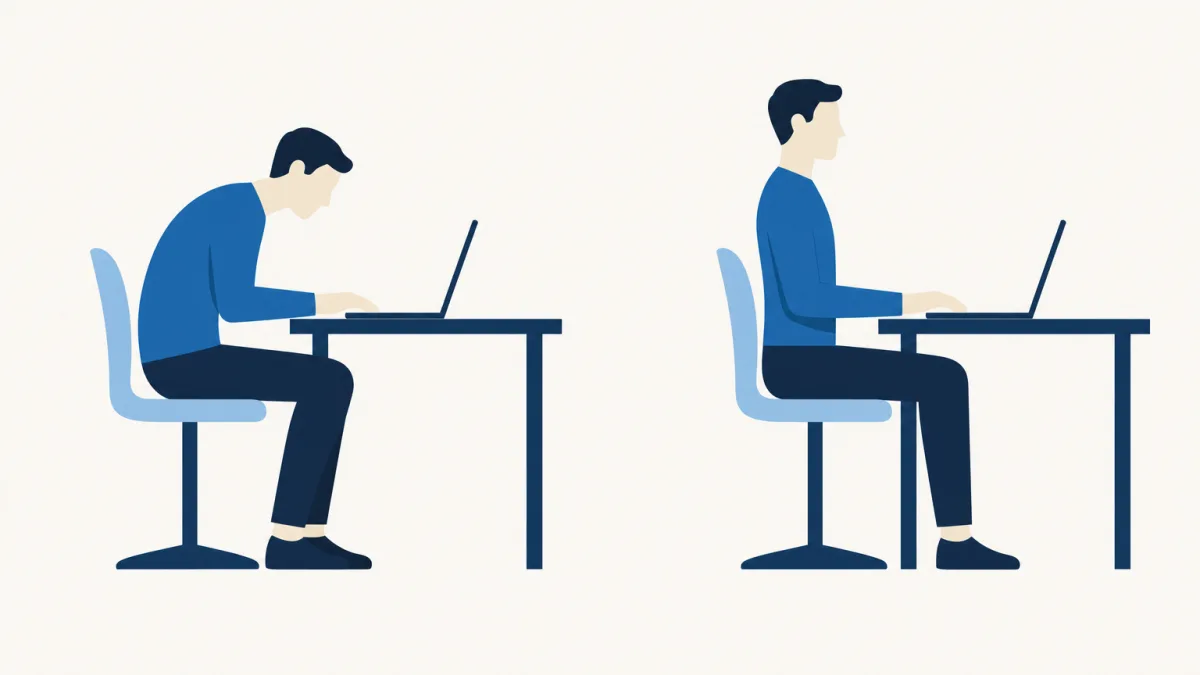
- Monitor position: The top of your screen should be at or just below eye level, roughly an arm's length away. This keeps your head in a neutral position rather than tilting downward.
- Feet flat on the floor: Both feet should rest flat, with your knees bent at approximately 90 degrees. Use a footrest if your chair is too high.
- Elbow angle: Your elbows should rest at a 90-degree angle with your forearms parallel to the desk. Armrests can help support this position.
- The 20-20-20 rule: Every 20 minutes, look at something about 6 meters away for at least 20 seconds. This gives your eye muscles and neck a regular micro-break.
- Consider a standing desk: Alternating between sitting and standing throughout the day engages different muscle groups and helps prevent the stiffness that comes from prolonged static postures.
Corrective Exercises You Can Do Today
Alongside workspace changes, targeted exercises can help reverse the muscular imbalances caused by prolonged sitting and screen use. Here are five you can start with today:
- Chin tucks: Sit or stand tall. Gently draw your chin straight back, as if making a "double chin." Hold for 5 seconds and repeat 10 times. This strengthens the deep cervical flexors that support proper head alignment.
- Wall angels: Stand with your back flat against a wall, arms raised in a "goal post" position. Slowly slide your arms up and down the wall while keeping your wrists and elbows in contact with it. Perform 10–15 repetitions.
- Thoracic extensions: Sit in a chair with a firm back. Place your hands behind your head and gently arch your upper back over the top of the chair. Hold for a few seconds and repeat 8–10 times to mobilize the mid-spine.
- Chest stretches: Stand in a doorway with your forearms resting on either side of the frame. Step one foot forward and gently lean through the doorway until you feel a stretch across your chest and the front of your shoulders. Hold for 20–30 seconds.
- Shoulder blade squeezes: Sit or stand with your arms at your sides. Squeeze your shoulder blades together as if trying to hold a pencil between them. Hold for 5 seconds and repeat 15 times. This activates the often-neglected rhomboid muscles.
How Chiropractic Care Corrects Posture
While ergonomic adjustments and exercises are essential, many posture problems involve structural misalignments that require professional intervention. Chiropractic spinal adjustments work by gently realigning vertebrae that have shifted out of their optimal position, restoring the natural curvature of the spine and relieving pressure on the surrounding nerves, muscles, and discs.
At our clinic, Dr. Victor Duani performs a comprehensive postural assessment that examines your spinal alignment, muscle balance, and range of motion. Based on the findings, he develops a personalized correction plan that combines targeted adjustments with prescribed rehabilitative exercises. This integrated approach addresses both the structural and muscular components of poor posture, producing lasting results rather than temporary relief.
Patients typically notice improved range of motion and reduced pain within the first few sessions, with progressive structural improvement over the course of their treatment plan.
Take Control of Your Posture Health
Your posture is not something that was set in stone years ago. It is a living, adaptable pattern that responds to the choices you make every day. By optimizing your workspace, incorporating corrective exercises, and working with a skilled chiropractor to address any underlying spinal misalignments, you can reverse the damage of the digital age and build a stronger, healthier spine. If you have been experiencing neck pain, headaches, or simply feel that your posture is not what it used to be, schedule an assessment with Dr. Duani and take the first step toward lasting correction.