
What Is a Chiropractor and Who Is It For? A Complete Guide for First-Time Patients
Wondering what a chiropractor actually does, and whether you should see one? This complete guide explains chiropractic care, who benefits most, and what to expect from your first visit.

If you have ever searched for relief from back pain, neck stiffness, or a chronic injury that just will not heal, you have probably come across the word chiropractor. But what does a chiropractor actually do? How is it different from a physiotherapist or osteopath? And, perhaps the most important question, is chiropractic care right for you?
This guide is written for first-time patients who want a clear, honest answer. We will explain what chiropractic care is, the conditions it treats most effectively, who tends to benefit most, and what to expect when you walk into a clinic for the first time.
What Is a Chiropractor?
A chiropractor is a healthcare professional who specializes in diagnosing and treating disorders of the musculoskeletal system (particularly the spine) and the effect those disorders have on the nervous system and overall health. Chiropractors complete a multi-year doctoral program (typically 4–5 years post-graduate), study anatomy, physiology, neurology, orthopedics, radiology, and biomechanics, and qualify as Doctors of Chiropractic (DC).
The core principle behind chiropractic care is simple: when the spine is properly aligned and moving freely, the nervous system can communicate with the rest of the body without interference, and the body is far better equipped to heal itself. When vertebrae are restricted, misaligned, or moving poorly (what chiropractors call subluxations), the result can be pain, stiffness, nerve irritation, headaches, and a cascade of other symptoms.
Chiropractors use their hands (and occasionally specialized instruments) to perform spinal adjustments: precise, controlled movements that restore proper position and motion to joints. Modern chiropractic care also includes soft tissue therapy, rehabilitation exercises, postural retraining, and lifestyle guidance.
What Conditions Do Chiropractors Treat?
Chiropractic care is best known for treating back pain, but the scope is considerably broader. The most common conditions chiropractors help with include:
- Lower back pain: Both acute episodes and chronic, recurring pain. Chiropractic is recognized by many medical guidelines as a first-line treatment.
- Neck pain and stiffness: Especially the kind caused by long hours at a computer, poor posture, or stress.
- Tension headaches and cervicogenic headaches: Headaches that originate from the neck and respond well to spinal adjustment.
- Sciatica: Radiating leg pain caused by irritation or compression of the sciatic nerve.
- Disc problems: Including bulging and herniated discs, where conservative care often prevents the need for surgery.
- Sports injuries: Strains, sprains, and joint dysfunctions that limit performance or prolong recovery.
- Joint pain: Shoulder, hip, knee, wrist, and ankle problems often improve when the related spinal levels and movement patterns are addressed.
- Postural problems: Forward head posture, rounded shoulders, and the chronic discomfort they create.
- Whiplash and post-accident recovery: Soft tissue and joint injuries from car accidents and falls.
Who Is Chiropractic Care For?
One of the most common questions people ask is: "Am I the right kind of patient for a chiropractor?" The honest answer is that chiropractic care suits a remarkably wide range of people, but some groups benefit especially well.
Office workers and people who sit all day
Prolonged sitting and screen use is one of the most common drivers of spinal dysfunction in the modern world. If you spend hours in front of a computer and end the day with a stiff neck, sore upper back, or low-grade headache, chiropractic care can address the underlying postural strain rather than just the symptoms.
Athletes and active people
Whether you run, cycle, lift weights, play tennis, or practice yoga, repeated movement under load eventually exposes any weak link in your biomechanics. Chiropractic care helps athletes recover faster from minor injuries, prevent recurring ones, and maintain peak movement quality.
People with chronic, unexplained pain
Many patients come to chiropractic care after years of trying painkillers, rest, and symptom-focused treatments without lasting results. A skilled chiropractor looks beyond the location of the pain to identify the structural and movement-based root cause, often producing improvement where other approaches have stalled.
Older adults
Age-related changes in the spine (disc degeneration, joint stiffness, reduced mobility) respond well to gentle, age-appropriate chiropractic techniques. The goal is to preserve mobility, reduce pain, and keep people active for as long as possible.
Pregnant women and new mothers
Pregnancy places enormous mechanical stress on the lower back and pelvis. Chiropractors trained in prenatal care use modified techniques to provide safe, effective relief throughout pregnancy and during postnatal recovery.
Who Should Not See a Chiropractor (Without Medical Clearance)?
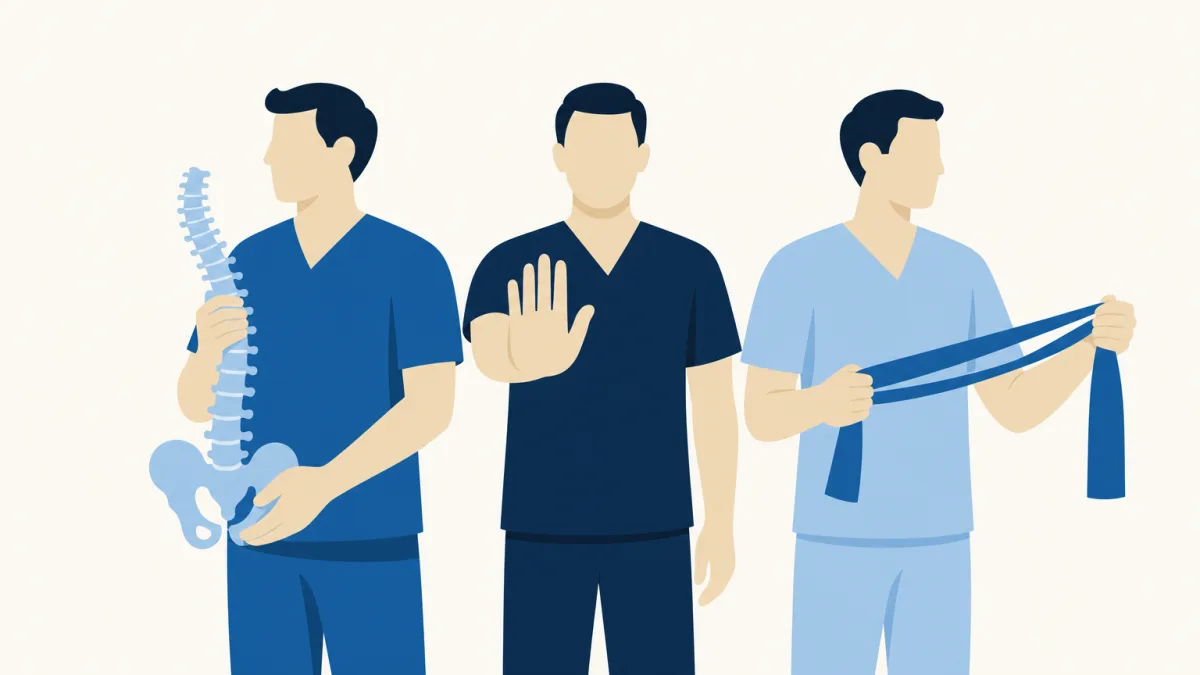
A responsible chiropractor will always screen for conditions that require a different approach. You should consult your physician before chiropractic care if you have:
- Suspected fracture or recent acute trauma
- Severe osteoporosis (techniques can be modified, but assessment is needed first)
- Active cancer, infection, or inflammatory arthritis in the affected region
- Certain blood-clotting disorders or use of strong blood thinners
- Progressive neurological symptoms such as loss of bowel/bladder control or rapidly worsening weakness
These are not necessarily contraindications, but they require a careful clinical decision rather than a routine adjustment.
What Happens at Your First Appointment?
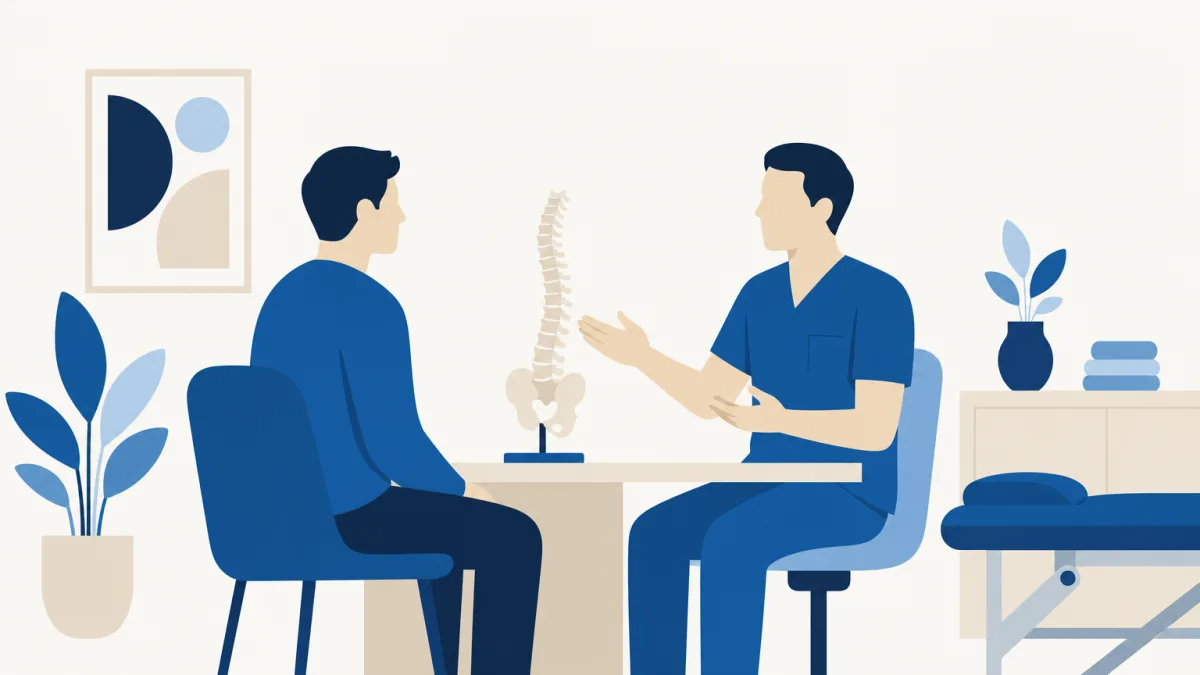
A first chiropractic visit is rarely just an adjustment. It is a clinical consultation, designed to figure out what is actually happening before any treatment begins. A typical first visit includes:
- A detailed history: Your symptoms, medical background, lifestyle, work, sport, sleep, and any imaging or prior treatments.
- A physical and orthopedic examination: Posture, range of motion, neurological tests, palpation of the spine and joints.
- Imaging review: X-rays or MRI scans you may have, or referrals if new imaging is needed.
- Diagnosis and treatment plan: A clear explanation of what is wrong, what can realistically be improved, and how many sessions are likely to be needed.
- A first treatment (when appropriate): Often a combination of spinal adjustment, soft tissue work, and a few targeted exercises to start at home.
About Dr. Victor Duani
Dr. Victor Duani is a rehabilitative chiropractor with over 20 years of clinical experience. He graduated from the Durban University of Technology (DUT) School of Chiropractic in South Africa in 2010, worked at Assaf Harofeh Medical Center, and managed rehabilitative chiropractic at Sheba Medical Center, Tel Hashomer. He also served in the IDF Medical Corps reserves as a chiropractor for the air crew. Today he runs two private clinics, in Tel Aviv and in Tuval (near Karmiel), combining classic chiropractic care with rehabilitation and movement-based therapy to address the root cause of each patient's condition, not just the symptoms.
Is Chiropractic Care Right for You?
If you are dealing with persistent back or neck pain, recurring headaches, a sports injury that has not fully healed, or any movement-related discomfort that is interfering with your life, chiropractic care is very likely a worthwhile next step. A proper assessment is fast, painless, and will tell you exactly whether the problem is something a chiropractor can help with, or whether a different specialist is needed.
The best way to find out is a short consultation. Book a session with Dr. Duani at the Tel Aviv or Tuval clinic, or call to ask any questions before scheduling. The sooner the root cause is identified, the faster real, lasting relief becomes possible.