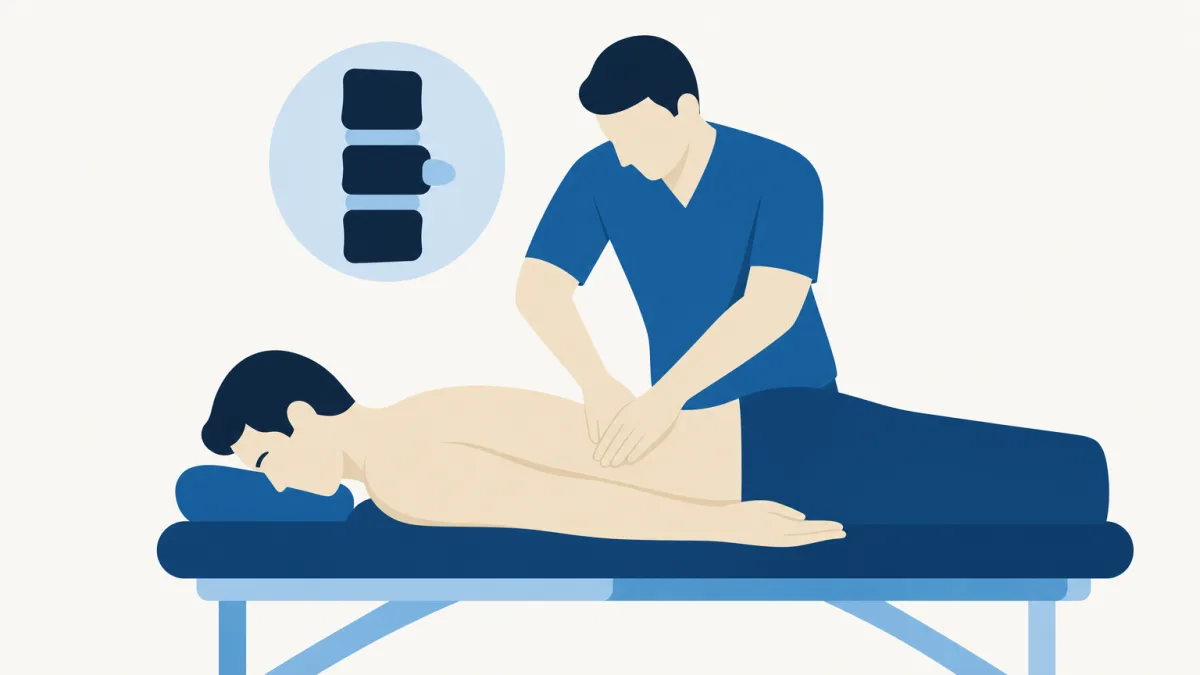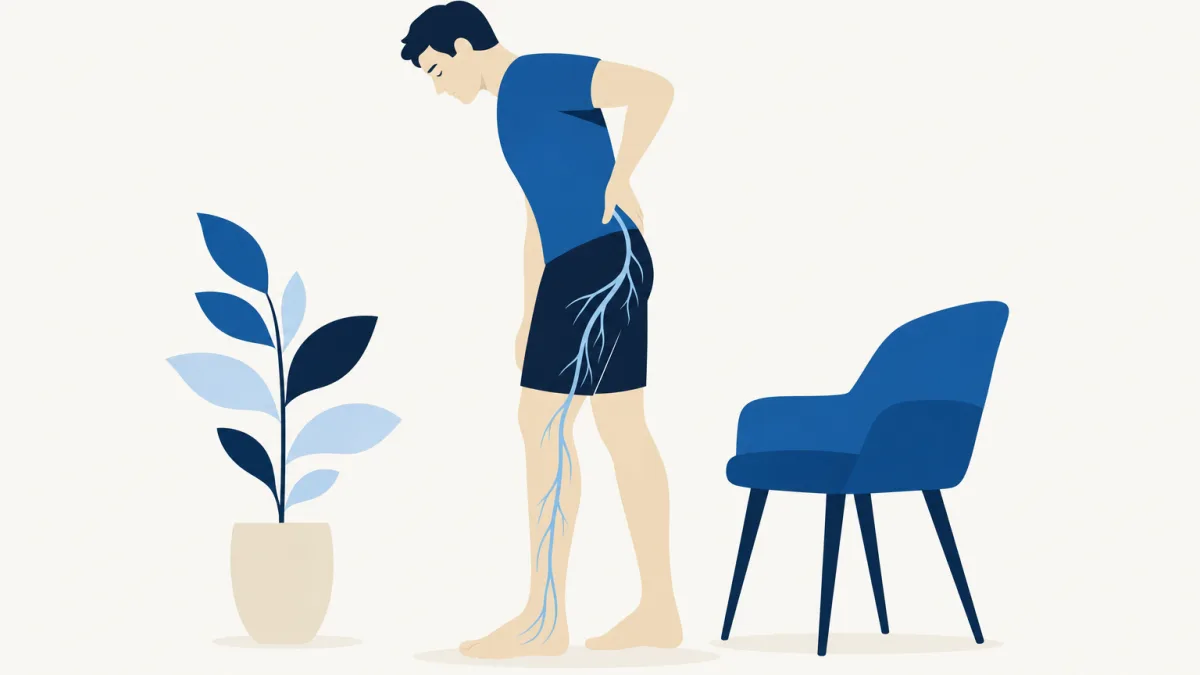

How Many Chiropractic Sessions Do You Actually Need? An Honest Answer
No one wants an open-ended treatment plan, and you should not have to settle for one. Here is the realistic, honest answer to how many sessions chiropractic care usually takes, broken down by condition.

"How many sessions am I going to need?" is one of the very first questions almost every patient asks, and unfortunately, it is also one of the questions that some clinics avoid answering honestly. Either the answer is vague ("it depends"), or it is a pre-packaged plan of 30, 50, or 100 sessions paid in advance that has nothing to do with your actual clinical needs.
Here is the honest answer, broken down by condition, and the principles a careful chiropractor uses to refine that estimate based on how you respond.
The Honest General Range
For most common musculoskeletal complaints, a typical course of chiropractic care looks like this:
- Acute, recent problems: Often 4–8 sessions over 4–6 weeks
- Subacute problems (weeks to a few months old): Often 6–12 sessions over 2–3 months
- Chronic problems (months to years old): Often 10–20 sessions over 3–6 months
These are realistic ranges, not promises. The exact number depends on your specific diagnosis, your overall health, your response to early sessions, and how committed you are to the home exercises and lifestyle adjustments that go alongside the in-clinic care.
How Often Should the Sessions Be?
A typical pattern:
- Weeks 1–2: More frequent visits (often 2 per week) to make rapid initial progress
- Weeks 3–4: Drop to once a week as symptoms improve
- Weeks 4–8: Drop to every 10–14 days as the body stabilizes
- Beyond: Either taper off completely or shift to occasional maintenance, depending on the case
A good chiropractor reduces frequency as you improve, not the other way around.
A Condition-by-Condition Breakdown
Acute lower back pain
For a typical, mechanical lower back pain episode without a disc problem: 4–6 sessions usually produces significant resolution. Many patients are largely pain-free within 2–3 visits and finish the course of treatment with home exercises and postural corrections to prevent recurrence.
Chronic lower back pain (more than 3 months)
Chronic back pain takes longer because the tissues, muscles, and movement patterns have adapted to the dysfunction. Expect 8–16 sessions over 2–4 months, combined with a structured rehabilitation program. Significant improvement is typical, but full resolution may require sustained changes in posture, work setup, and activity.
Sciatica
Sciatic pain caused by disc irritation, facet joint dysfunction, or piriformis syndrome typically responds within 6–12 sessions. More stubborn cases, particularly those involving significant disc herniation, may require 10–20 sessions over several months. Patients who follow the prescribed exercises consistently recover much faster than those who rely on in-clinic treatment alone.
Herniated disc
Disc patients usually require a longer course than non-disc back pain: 8–16 sessions over 3–4 months, with rehabilitation continuing for several months beyond active treatment. Most patients experience meaningful improvement within the first month, with continued progress over the rest of the course.
Neck pain and cervicogenic headaches
Most patients with neck-driven headaches see noticeable improvement in headache frequency within the first 2–3 sessions and significant resolution within 6–10 sessions. Long-term outcomes depend heavily on whether the postural causes (forward head, prolonged screen use) are addressed.
Whiplash and post-accident recovery
Whiplash recovery has clear phases: acute (1–2 weeks), restoration (2–6 weeks), and rehabilitation (4–12 weeks). Expect 10–20 sessions across several months, with a strong emphasis on the rehabilitation phase to prevent chronic symptoms.
Sports injuries
Variable, but most non-surgical sports injuries respond within 6–10 sessions, often with a return-to-sport protocol that continues for several more weeks. Faster recovery is typical for younger, well-conditioned patients.
Posture-related chronic dysfunction
Postural problems are slower to resolve because the patient is recreating the strain every day at work. Expect 8–15 sessions over 3–4 months, with significant home and ergonomic work alongside the in-clinic treatment.
What Influences the Number of Sessions
- How long the problem has been present. Longer-standing issues take longer to resolve.
- The specific diagnosis. A bulging disc takes longer than a simple joint restriction.
- Your overall health. Younger, fitter, well-rested patients recover faster.
- Your home effort. Patients who consistently do the prescribed exercises recover dramatically faster than those who rely on treatment alone.
- Your work and lifestyle. A patient who returns to the same desk that caused the problem with no ergonomic changes will progress more slowly than one who adjusts their setup.
- The skill of the clinician. Accurate diagnosis and targeted treatment cut down the total number of sessions significantly.
What to Watch Out For
Be cautious of any of the following patterns:
- Pre-sold packages of 30+ sessions paid upfront, before any examination. This is a sales model, not a clinical model
- A clinic that wants to see you indefinitely without measurable progress
- Sessions that involve only an adjustment with no rehabilitation, education, or home exercise component
- No re-evaluation of progress after several sessions
- Vague answers when you ask about expected number of sessions or timeline
A well-run chiropractic clinic gives you a clear initial estimate, re-assesses at regular intervals, and is genuinely happy when you no longer need active treatment.
Do You Need "Maintenance" Sessions Forever?
This is a personal choice, not a requirement. Some patients, particularly those with high-stress jobs, prior injuries, or chronic conditions, find that a maintenance visit every 4–8 weeks keeps them out of pain and improves overall function. Others stop completely once treatment is finished and only return if a new problem appears.
Both approaches are valid. What is not valid is being pressured into ongoing care without a clear reason.
About Dr. Victor Duani
Dr. Victor Duani is a rehabilitative chiropractor with over 20 years of clinical experience and clinics in Tel Aviv and Tuval. After graduating from the Durban University of Technology (DUT) in South Africa, he worked at Assaf Harofeh Medical Center and managed rehabilitative chiropractic at Sheba Medical Center, Tel Hashomer. His treatment plans follow exactly the principles described in this article: a clear initial estimate, frequent re-evaluation, structured rehabilitation alongside in-clinic care, and an explicit commitment to end active treatment when you no longer need it.
Want a Realistic Estimate for Your Case?
The most accurate number of sessions for your condition is one that a careful clinician gives you after examining the actual problem. Book a consultation with Dr. Duani at the Tel Aviv or Tuval clinic. You will leave with a clear diagnosis, an honest estimate of how many sessions to expect, and a structured plan that ends when the problem is solved.