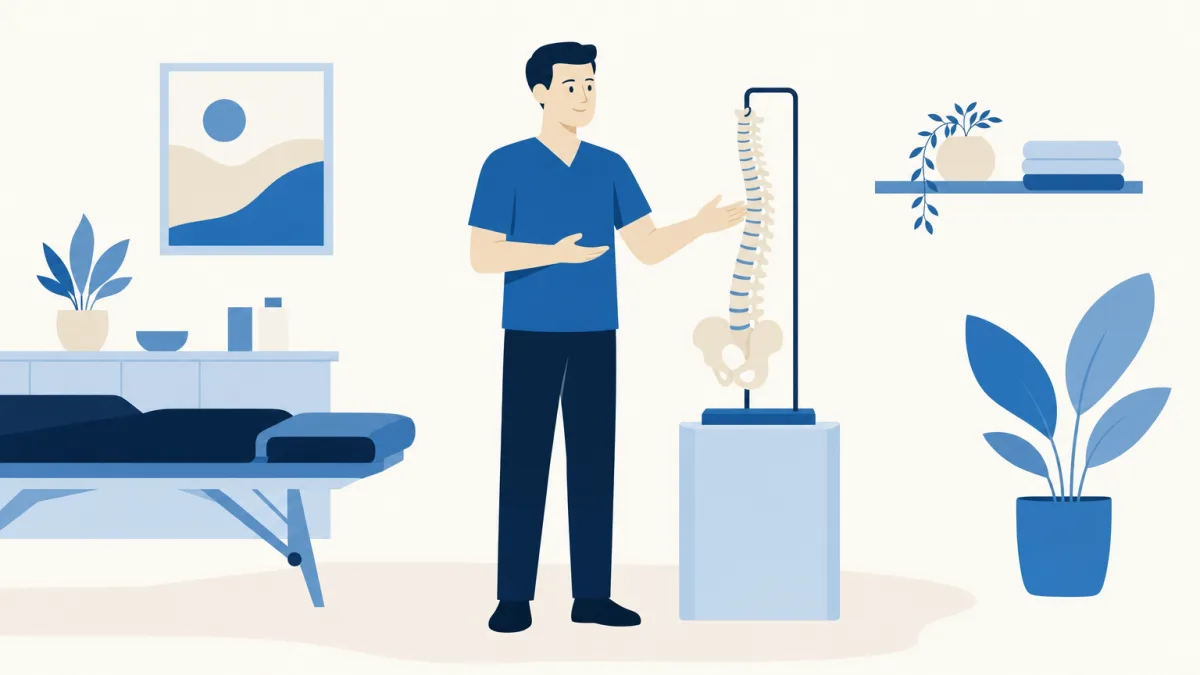

Is Chiropractic Treatment Safe? 7 Common Myths Debunked by a Practitioner
Is chiropractic safe? Will it damage your spine? Is the cracking sound bad? A practicing chiropractor answers the 7 most common safety questions and explains what the evidence actually shows.
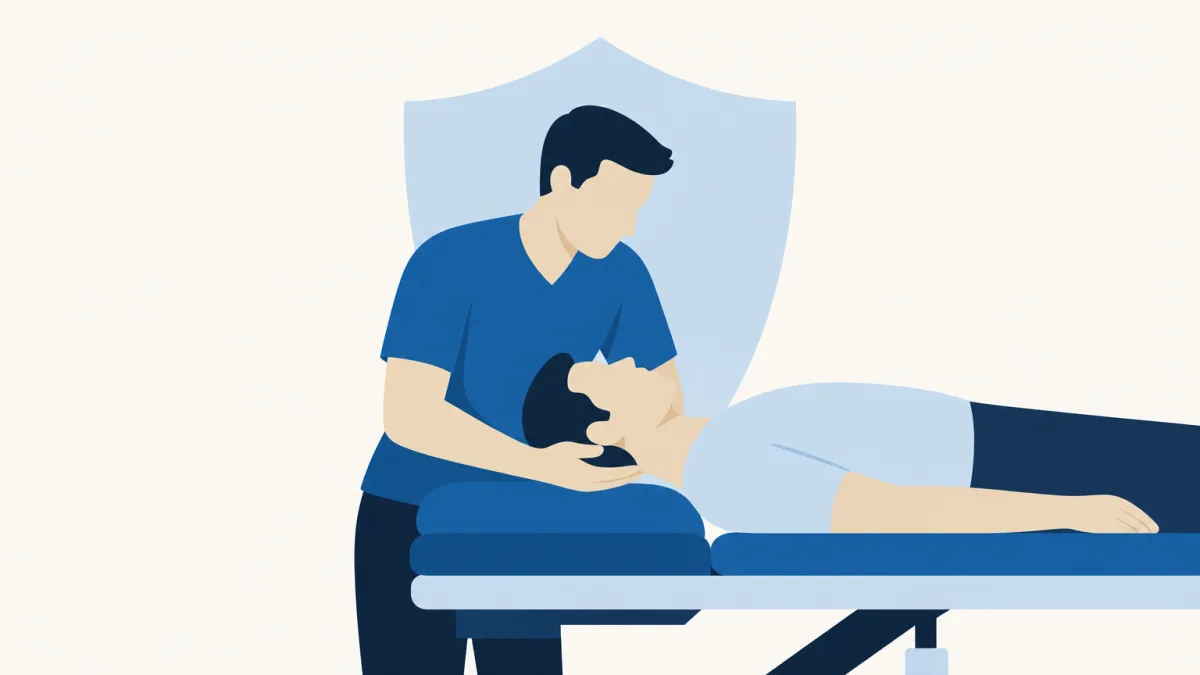
"Is chiropractic actually safe?" is one of the most common questions a new patient asks, and it deserves a straight answer. The short version: when performed by a properly trained, licensed chiropractor on appropriately screened patients, chiropractic care has an excellent safety profile that compares favorably with many other treatments for back and neck pain, including long-term painkiller use.
But the longer answer matters too, because there are real myths circulating, and patients deserve to understand both what is true and what is not. This article addresses the seven most common safety concerns directly.
Myth 1: "Chiropractic Adjustments Can Damage Your Spine"
This is the single biggest source of anxiety for first-time patients. The reality is that chiropractic adjustments are low-force, controlled movements applied to specific joints, not the dramatic, full-body twists shown in viral videos. A proper adjustment is fast and precise, but the force involved is much smaller than what your spine handles every day during normal activities like sitting up, lifting groceries, or rolling over in bed.
Serious adverse events from chiropractic care are extremely rare in the published literature. Far more spinal damage is caused by years of poor posture, untreated movement dysfunction, and uncorrected disc problems than by a skilled adjustment.
Myth 2: "Once You Start, You Have to Go Forever"
This is a misunderstanding worth correcting clearly. A responsible course of chiropractic care has a defined goal and a defined endpoint. Most patients with a specific complaint (back pain, sciatica, headache) improve within a relatively short course of treatment (often 4–10 sessions, depending on the condition) and then taper off or stop altogether.
Some patients choose to come back for occasional maintenance visits, the way you might see a dentist for a check-up. That is a choice, not a requirement, and a good chiropractor will tell you clearly when active treatment is no longer needed.
If a clinic is pressuring you into open-ended, indefinite care without measurable improvement, that is a problem with the clinic, not with chiropractic.
Myth 3: "The Cracking Sound Means Something Is Breaking"
The "pop" or "crack" you hear during an adjustment is a phenomenon called cavitation. It is caused by a tiny gas bubble forming and collapsing inside the synovial fluid of the joint as the joint surfaces briefly separate. The same sound happens when you crack your knuckles, and decades of research has confirmed it does not damage the joint.
The sound is also not a measure of how "successful" the adjustment was. Plenty of effective adjustments are completely silent. Skilled chiropractors care about restoring proper joint motion, not about generating noise.
Myth 4: "Chiropractic Causes Strokes"
This is one of the most persistent (and most misunderstood) concerns. Here is what the research actually shows:
- There is a very rare condition called vertebral artery dissection, in which one of the arteries supplying the back of the brain develops a tear. This can lead to stroke.
- People with an early, undiagnosed dissection often experience neck pain or headache as the first symptom, which leads them to seek treatment from a chiropractor, massage therapist, or doctor.
- Large epidemiological studies comparing chiropractic patients to patients visiting primary care physicians for the same symptoms have found no increased stroke rate among the chiropractic group. In other words: the stroke risk is associated with the underlying condition, not with the treatment.
- A responsible chiropractor screens carefully for red flags (sudden severe headache unlike any before, dizziness with neurological symptoms, visual disturbance) and refers immediately when something does not look like a routine musculoskeletal problem.
Stroke is a serious risk to take seriously, but the data does not support the idea that chiropractic causes it. The risk is associated with a rare condition that can mimic ordinary neck pain.
Myth 5: "Chiropractic Is Only for Adults With Back Pain"
Chiropractic care can benefit patients across a wide age range, including:
- Older adults, with techniques modified for bone density and joint condition
- Pregnant women, with specialized prenatal techniques and pillows
- Athletes, for injury recovery and performance maintenance
- Adults of any age with headaches, neck pain, joint problems, sports injuries, or posture-related issues
For very young children, chiropractic care should only be performed by practitioners with specific pediatric training, using extremely gentle techniques. Most general chiropractors will refer to a pediatric specialist when appropriate.
Myth 6: "Chiropractic Is Not Evidence-Based"
This was once a more reasonable criticism than it is today. Over the past two decades, a substantial body of clinical research has examined chiropractic care, particularly for low back pain and neck pain. Major national health guidelines, including those issued by NICE in the UK and the American College of Physicians, list spinal manipulation as a recommended first-line treatment for non-specific low back pain, ahead of opioids and other pharmaceutical approaches.
Like any field, chiropractic includes a range of practitioners, from rigorously evidence-based to fringe. Choosing a clinician trained at a reputable school, who integrates rehabilitation and refers when needed, gives you the evidence-based version of the profession.
Myth 7: "If I Have a Herniated Disc, Chiropractic Is Dangerous"
This is a particularly important myth to correct, because so many disc patients are sent away believing surgery is their only option. The truth: many cases of herniated and bulging discs respond very well to conservative chiropractic care, often combined with rehabilitation exercises and decompression-style techniques. Adjustments for disc patients are different (gentler, often instrument-assisted or mobilization-based rather than high-velocity), and a properly trained chiropractor will adapt the approach accordingly.
Surgery is sometimes the right call, but it is rarely the first right call. A conservative trial of structured, rehabilitation-focused chiropractic care is reasonable for most disc patients before surgical referral becomes the appropriate next step.
When Chiropractic Is Not the Right Answer
Honesty matters. Chiropractic care is not appropriate in every situation. You should seek immediate medical care, not chiropractic, for:
- Suspected fracture or significant recent trauma
- Progressive loss of bladder or bowel control
- Rapidly worsening neurological symptoms: sudden weakness, numbness in the saddle area
- Unexplained weight loss, fever, or other systemic signs that may indicate infection or cancer
- A sudden severe headache unlike any you have experienced before
A responsible chiropractor will recognize these red flags and refer you immediately. That is a sign of a competent clinician, not a limitation of the field.
About Dr. Victor Duani
Dr. Victor Duani is a rehabilitative chiropractor with over 20 years of clinical experience. After graduating from the Durban University of Technology (DUT) School of Chiropractic in South Africa, he worked at Assaf Harofeh Medical Center, managed rehabilitative chiropractic at Sheba Medical Center, Tel Hashomer, and served in the IDF Medical Corps reserves. His clinics in Tel Aviv and Tuval apply the same standards used in those medical settings: thorough screening, evidence-based techniques, and clear communication with patients about what chiropractic care can (and cannot) do.
Have a Specific Concern? Ask Before You Book
If you have a specific medical history that makes you unsure about chiropractic (a previous spinal surgery, osteoporosis, a known disc problem), the best step is a phone call before scheduling. Dr. Duani can quickly tell you whether your case is appropriate for chiropractic, whether a modified approach is needed, or whether another specialist should see you first. Book a consultation or call the Tel Aviv or Tuval clinic. Getting clear answers is always free.