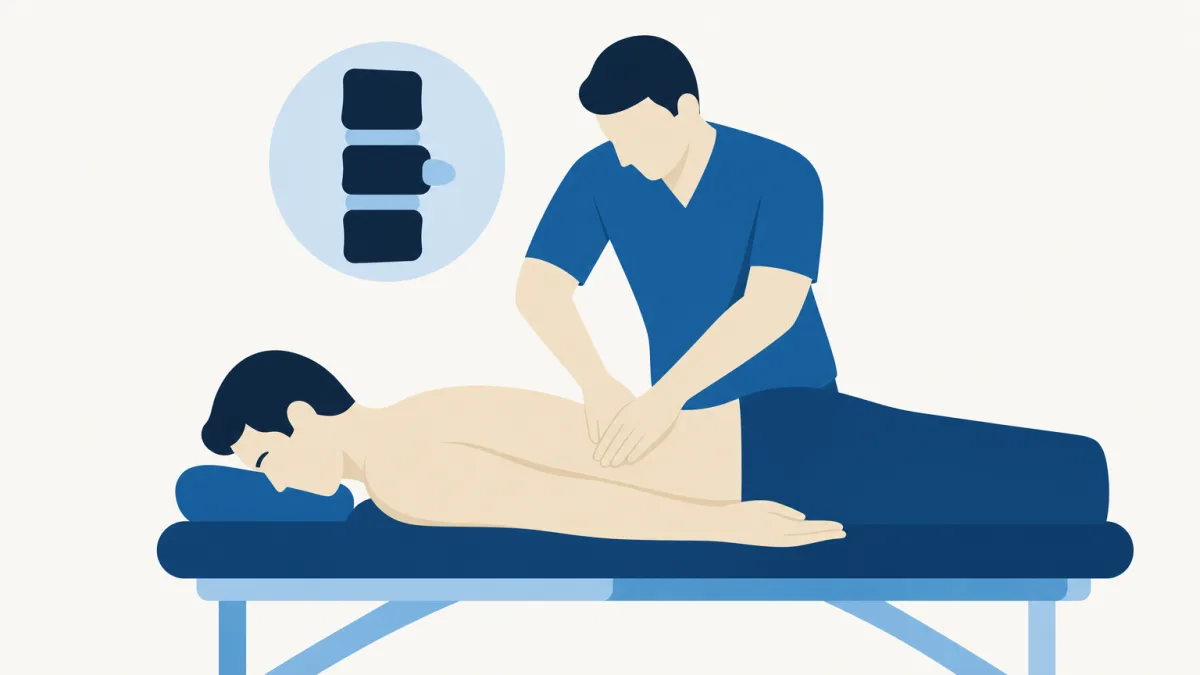

Sciatica Relief Without Surgery: How Chiropractic Care Treats Nerve Pain
Sciatica can feel impossible to escape: sharp, radiating leg pain that resists rest and painkillers. The good news is that most patients improve significantly with conservative chiropractic care, no surgery required.
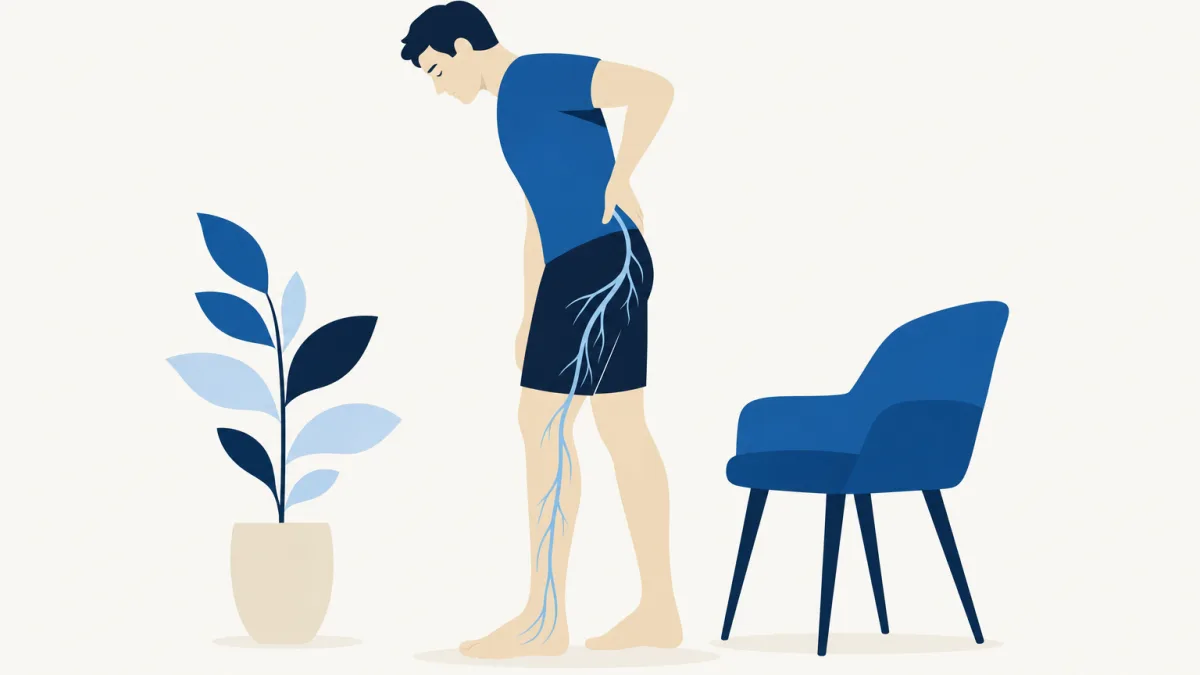
If you have ever experienced sciatica (that sharp, shooting pain that travels from the lower back down through the buttock and into the leg), you already know it is not a normal backache. The pain is electric, often impossible to ignore, and frustratingly resistant to the usual fixes of rest, painkillers, and waiting it out.
The encouraging news is this: most cases of sciatica resolve without surgery. With the right diagnosis and a structured course of conservative treatment, particularly chiropractic care combined with rehabilitation, the majority of patients experience significant relief, often within weeks.
What Is Sciatica, Really?
Sciatica is not actually a diagnosis. It is a description of a symptom. The word refers to pain that follows the path of the sciatic nerve, the largest nerve in the body, which runs from the lower back, through the buttock, down the back of the thigh, and into the foot.
When something irritates or compresses the sciatic nerve (or one of the nerve roots that feed into it), the result is pain, numbness, tingling, or weakness along the nerve's path. The location and pattern of the symptoms often tell an experienced clinician exactly which nerve root is involved and what is compressing it.
What Causes Sciatica?
Common causes of sciatic pain include:
- Herniated or bulging disc: The most common cause. A disc in the lower spine pushes outward and presses against a nerve root.
- Lumbar facet joint dysfunction: Restricted or inflamed joints in the lower back can irritate nearby nerves.
- Piriformis syndrome: The piriformis muscle deep in the buttock tightens and compresses the sciatic nerve directly.
- Spinal stenosis: Narrowing of the spinal canal, especially common in older patients, that compresses nerve roots.
- Spondylolisthesis: One vertebra slipping forward over another, narrowing the nerve passage.
- Poor posture and prolonged sitting: Particularly common in office workers and drivers, these gradually irritate the lumbar nerves.
Identifying the specific cause is crucial, because treatment that works beautifully for one source of sciatic pain may be inappropriate for another.
Why So Many People Suffer Longer Than They Need To
Three common patterns prolong sciatica unnecessarily:
- Bed rest: Extended rest weakens the supporting muscles and stiffens the joints, often making the problem worse rather than better.
- Pure painkiller management: Numbing the pain without addressing the underlying compression allows the nerve to remain irritated for weeks or months.
- Generic exercises: Exercises that work for some sciatica patients can make others significantly worse, depending on the underlying cause. Specific direction matters.
How Chiropractic Care Treats Sciatica
A rehabilitative chiropractic approach to sciatica is structured, methodical, and tailored to the underlying cause. It typically includes:
Step 1: Accurate diagnosis
A thorough history, physical examination, and neurological screening establish what is actually causing the symptoms. If imaging is needed (MRI is the gold standard for suspected disc problems), it is reviewed before treatment begins.
Step 2: Decompression and adjustment
Specific chiropractic techniques are used to reduce the pressure on the affected nerve root and restore proper joint motion in the lumbar spine and pelvis. For disc-related sciatica, gentler techniques (including instrument-assisted adjustments, traction-style decompression, and slow mobilization) are often preferred over high-velocity adjustments.
Step 3: Soft tissue work
Addressing the muscles surrounding the nerve (particularly the piriformis, gluteals, and lumbar musculature) relieves secondary tension that often amplifies sciatic pain. Dry needling can be especially effective for piriformis-related sciatica.
Step 4: Targeted rehabilitation exercises
The specific exercises depend on the cause. For example:
- Disc-related sciatica often responds to directional preference exercises (such as extension-based McKenzie protocols)
- Stenosis-related sciatica often responds better to flexion-based exercises that open the spinal canal
- Piriformis-driven sciatica responds to targeted piriformis stretching and gluteal strengthening
Generic exercises taken from the internet can easily backfire. The right exercise for the wrong cause makes things worse.
Step 5: Lifestyle and ergonomic adjustments
Sitting posture, sleep position, lifting technique, and activity pacing all influence recovery. Your chiropractor will identify the specific habits that are perpetuating the irritation and give you concrete changes to make.
How Long Does It Take to Get Relief?
Realistic expectations matter. Most sciatica patients experience meaningful improvement within 2–4 sessions and significant resolution within 6–12 sessions, depending on the cause and the duration of the problem. Acute sciatica that has been present for weeks tends to resolve faster than chronic sciatica that has been ignored for months.
A note of honesty: if you are not noticeably better within the first few sessions, a careful chiropractor re-examines, refines the diagnosis, and either changes the approach or refers you to a specialist. Sciatica that does not respond to conservative care occasionally does require surgical evaluation, but that should be the considered next step, not the default first step.
When Surgery Becomes the Right Answer
There are situations where surgical referral is the right call from the start:
- Progressive neurological weakness in the leg
- Loss of bladder or bowel control
- Severe, unrelenting pain that is not responding to any conservative approach
- Imaging showing a significant disc fragment that is unlikely to resolve conservatively
A responsible chiropractor recognizes these signs immediately and refers you to a spine surgeon or neurosurgeon without delay.
About Dr. Victor Duani
Dr. Victor Duani is a rehabilitative chiropractor with over 20 years of clinical experience treating sciatica and disc-related conditions. After graduating from the Durban University of Technology (DUT) in South Africa, he worked at Assaf Harofeh Medical Center and managed rehabilitative chiropractic at Sheba Medical Center, Tel Hashomer, settings where complex disc and nerve cases are common. His clinics in Tel Aviv and Tuval specialize in conservative, structured treatment for sciatica and lumbar disc problems, combining precise chiropractic care with targeted rehabilitation exercises.
Living With Sciatica? Get a Real Answer
If sciatic pain has been part of your life for weeks or months and is not getting better on its own, the next step is a proper diagnosis. Book a consultation with Dr. Duani at the Tel Aviv or Tuval clinic (bring any imaging you have) and walk out with a clear understanding of what is causing the pain and exactly what it will take to resolve it. Most sciatica is treatable. The sooner the right plan starts, the faster you get your life back.